Hurricane Season Generator Checklist for Treasure Coast Homes
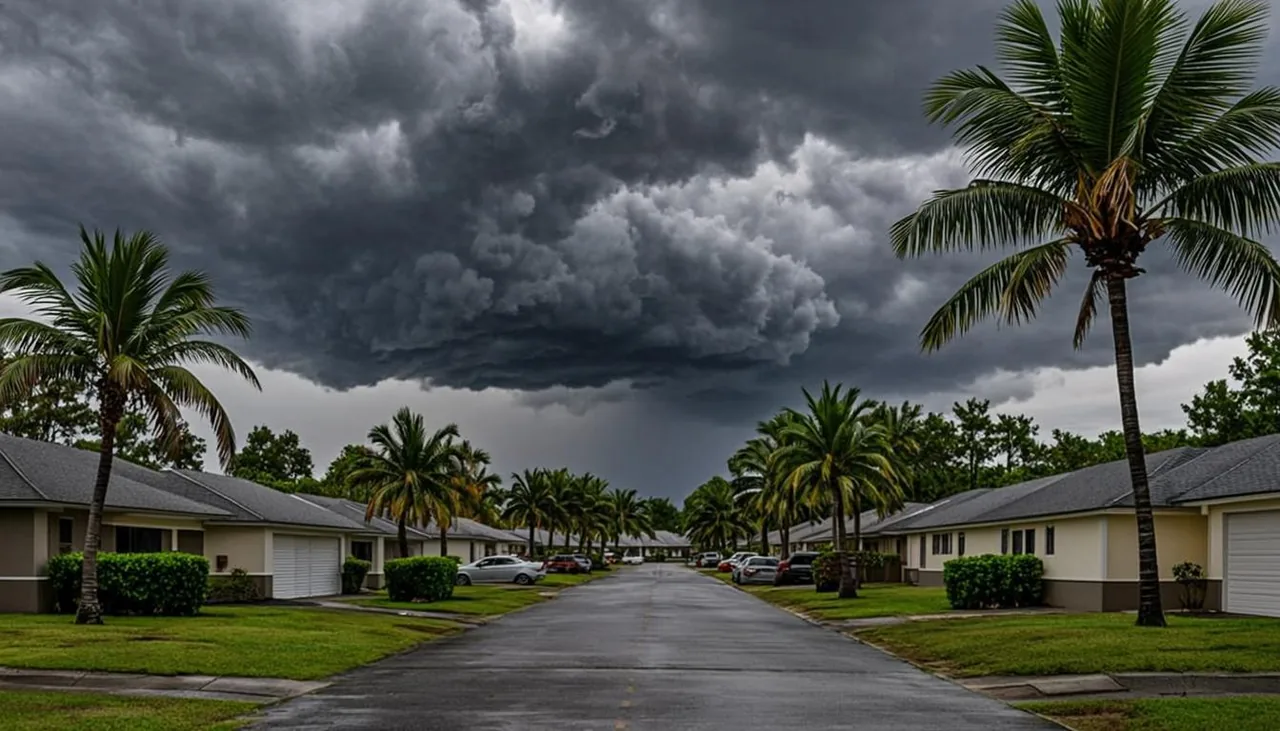
The Atlantic hurricane season runs June 1 through November 30, and on the Treasure Coast those six months are why the generator exists at all. The irony of standby power is that the unit's most important season of work is preceded by months of quiet, and quiet is where failures incubate. This checklist walks the season in order: what to do before the first named storm, what the rules are while one is on the radar, and what discipline the restart demands after the lights flicker back. Standby owner or portable owner, the list applies to you.
Before the Season: The Standby Unit Checkup
Spring is service season. Run the unit's weekly exercise cycle and watch it start, run, and transfer, the full sequence described in our guide to generator transfer switches. Check the controller for event codes, clear the enclosure of leaves, salt film, and rodent evidence, and get the interval maintenance done if it is due, the itemized habits live in our standby generator maintenance schedule. The starting battery deserves specific attention: it is the most common no-start culprit, and it fails silently. A unit that passes a spring checkup with records is a unit you stop thinking about when the forecast turns, which is the entire point.
Fuel Plans: Natural Gas vs. Propane for Storm Weeks
Storm weeks stress fuel plans, and the right plan depends on the fuel. Natural gas units draw from the utility supply, which usually keeps flowing through weather events; owners should still know who to call and how the supplier behaves during regional outages. Propane owners own the logistics: top the tank before the season and again ahead of any named storm, and know the refill queue reality, every propane customer in the county is calling the same week. The full trade-off analysis lives in our comparison of natural gas and propane generators. Either way, the fuel plan is written down, not improvised.
Placement and Flood Reality
The generator's location was settled at installation, but the season re-tests it. Keep the clearances that the siting rules established, IRC guidance in our region holds the five-foot distance from windows, doors, and air intakes, and our placement guide explains the full logic, including why those distances are carbon-monoxide distances and not suggestions. Flood-zone parcels carry the elevation discipline covered in our flood-zone generator guide, and storm-surge forecasts are the moment to remember why: water and standby equipment do not negotiate.
The Transfer Equipment Check
The generator is half the system; the transfer switch is the other half, and it gets its own pre-season glance. An automatic transfer switch that exercised cleanly in spring will usually behave in September, but the homeowner who knows where the switch is, what it protects, and how the essential-circuit selection was drawn, the distinction explained in our whole house versus essential circuits guide, manages an outage instead of enduring one. Manual-equipment owners should be able to perform their startup sequence cold; rehearse it once in daylight.
Portable Generator Rules That Save Lives
Portable units live by stricter rules, and every one of them is a carbon-monoxide rule: the Consumer Product Safety Commission's guidance is unambiguous, never run a portable generator indoors, in garages, basements, or sheds, always outside and well away from windows, doors, and vents. Extension-cord discipline follows, dry cords, rated loads, no chains of adapters, and refueling happens with the engine off and cooled. Our guide to connecting a portable generator safely covers the connection methods, including why backfeeding the house through the wall outlet, a practice that has killed utility line workers, is never an option.
While the Storm Is On Top of You
During the event, the rules get shorter. Keep the generator's clearances even when it is inconvenient. Never refuel a hot unit. Keep portable units dry under open-sided shelter, never enclosed. Do not walk the yard in the dark near downed lines, report them to the utility and assume every wire is live. The standby unit needs nothing from you but to be left alone to do its job; the homeowner's job during the storm is everyone's safety, not the equipment's.
After the Storm: Restart Discipline
When the utility restores power, the automatic transfer switch moves the house back on its own; the owner's job is inspection, not intervention. Look over the unit before the next run: water intrusion, debris, salt, damage to the enclosure or the pad. A unit that took a beating gets a service visit before it is trusted again, the warning-sign vocabulary in our generator repair guide is the checklist. Portable owners re-verify cords and connections with the same skepticism. And the panel itself deserves a glance: a house that misbehaves after power is restored may have surge damage, the same flag our emergency electrician guide treats as a call, not a curiosity.
No Generator Yet? The Timing Conversation
Every season's first named storm triggers a run on equipment, installers, and permits, and the households that bought in spring get scheduled ahead of the households that called in the storm's wake. A standby installation is a permitted project, the Fort Pierce package is covered in our generator permit guide, and the sizing arithmetic in our sizing guide is the starting point either way. Our generator installation service scopes the project the honest way: calculation, site, permit, then equipment. Buy in the quiet months; the storm forecast is a terrible time to join a queue.
Hurricane Season Generator Questions
How much fuel does a standby generator use during a hurricane?
Consumption depends on the unit's size class and the load it is carrying, so no single figure applies, and we do not publish one. The practical plan: natural gas owners confirm their supply arrangement, propane owners size the tank and refill plan for multi-day outages before the season starts.
Can I run my generator in the rain?
Standby units are built for outdoor weather exposure, but severe-weather operation follows the manufacturer's guidance, and portable generators demand strict discipline: outside, dry under open-sided shelter, never enclosed, and never near openings where exhaust can travel. Carbon monoxide rules outrank convenience in every scenario.
When should I install a generator before hurricane season?
Earliest, and by months. Permits, scheduling, and utility coordination all take calendar time, and demand for all three spikes the week a storm enters the forecast. Starting in spring means the project is inspected and finished before the season's first disturbance, not queued behind your neighbors'.
Not Storm-Ready Yet?
Load calculation, siting, and permits before the season rush, start in the quiet months.