How to Connect a Portable Generator to Your Home Safely
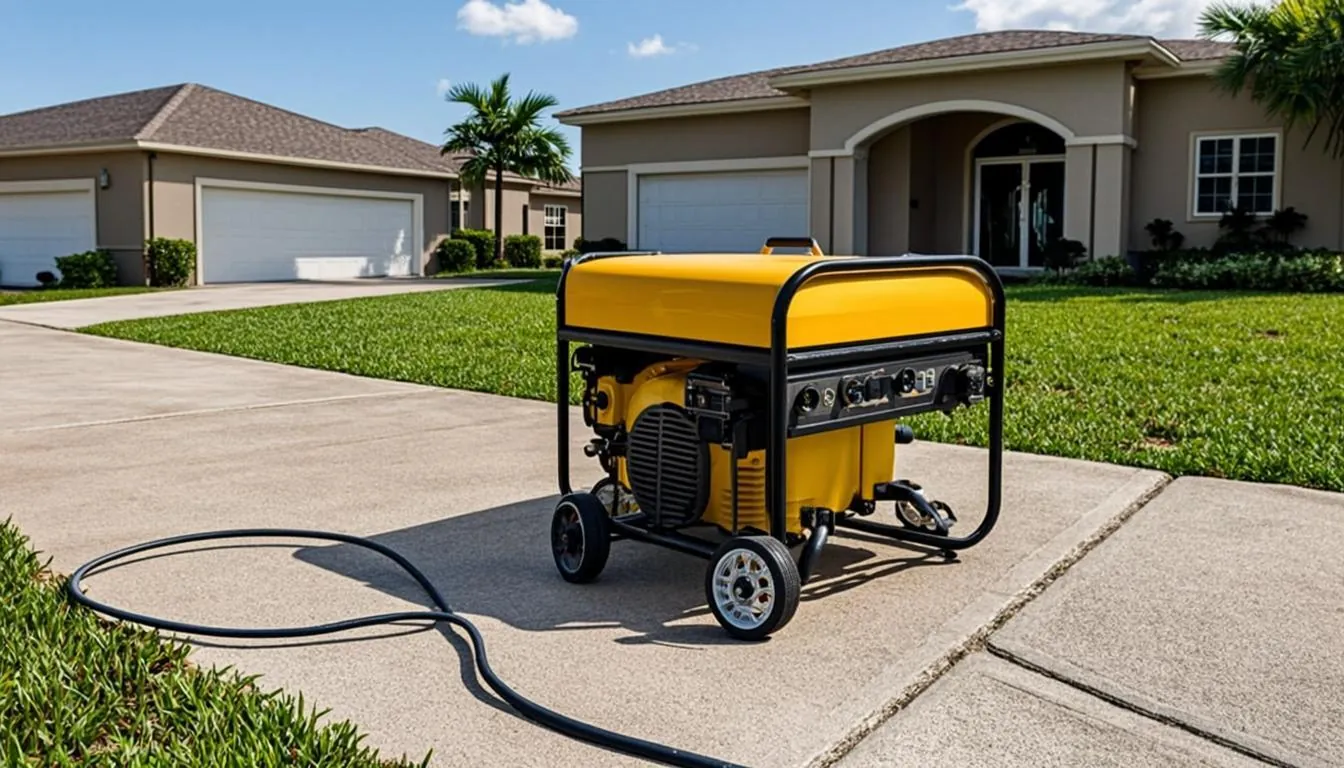
When the power fails, the portable generator becomes the household's power plant, and the connection between them is where safety is won or lost. This guide is deliberately not a do-it-yourself wiring tutorial; it is the equipment-and-rules briefing that keeps a generator connection legal, safe, and insurable. The rules are not ours. They come from the Consumer Product Safety Commission, the electrical code, and the lessons of every storm season before this one.
Why Portable Generator Connections Need Proper Equipment
A generator produces enough power to run a household and enough voltage to kill a utility line worker three houses away, and the difference between those outcomes is the connection method. Proper connection equipment does three jobs: it isolates the generator from the utility grid so the two sources can never meet, it selects which circuits the generator feeds, and it gives the household one defined, inspected pathway instead of improvised ones.
What Is a Generator Inlet Box?
The inlet box is the generator's front door: a weatherproof receptacle mounted on the home's exterior wall, wired to the transfer equipment inside. The generator connects to it with a heavy-duty cord, and from there the power flows through installed, permitted wiring, not through open windows or extension cords. The inlet is rated for the cord and the load, it keeps weather out of the connection, and it marks, permanently, where the generator plugs in when the storm arrives.
How a Manual Transfer Switch Is Used
The manual transfer switch is the cleanest path for portable-generator households. Installed beside the panel, it feeds a chosen list of circuits, furnace or AC blower, refrigeration, lights, well pump, and moves them between utility and generator with a lever. During an outage: start the generator outside, let it stabilize, connect the cord to the inlet, move the switch's levers to generator, and the selected circuits run. The household's outage plan is decided at installation, in writing, not argued over by flashlight.
How Generator Interlocks Isolate Electrical Sources
Where a listed interlock kit exists for the panel, the interlock is the other legitimate path. The generator backfeeds the panel through a dedicated breaker, and the interlock's mechanical plate makes it physically impossible for the utility main and the generator breaker to be on together. The household then selects circuits by toggling breakers. Our guide to interlock kits versus transfer switches compares the two paths in detail; the point that matters here is that both are permitted, inspected installations, and neither is a Weekend Project.
Why Backfeeding Is Dangerous
Backfeeding is the improvised connection: plugging the generator into a wall outlet, or otherwise energizing the house wiring from inside, sending power backward through the panel onto the utility lines. Two dangers make it the one absolute rule of generator connection. First, the utility workers: lines the crew believes are dead carry the generator's voltage, and linemen have died from exactly this. Second, the household: an uncontrolled connection carries no overload protection pathway, no isolation, and no inspection. There is no version of backfeeding that is safe, legal, or worth it.
Carbon Monoxide Risks During Generator Operation
The Consumer Product Safety Commission's guidance is blunt, and we publish it as bluntly: never use a portable generator indoors, in a garage, basement, or shed; run it outside, well away from windows, doors, vents, and any other opening. Generator exhaust contains carbon monoxide, which is odorless, colorless, and lethal, and the CPSC attributes deaths every storm season to generators run too close to living spaces. The distance rule is not comfort advice; it is the difference between an outage and a tragedy. Install battery CO alarms in the house and check them as routinely as the generator's fuel.
Why Household Outlets Must Not Be Used for Backfeeding
The outlet-based connection fails every test at once: household receptacles and their wiring are not rated for the reverse power flow; the connection offers no overcurrent pathway sized for the generator; male ends of makeshift cords become exposed energized parts; and the whole arrangement defeats every protection the panel was built with. The legal paths, transfer switch or listed interlock with an inlet box, exist precisely so that nobody has to invent a worse one at midnight in the rain.
When to Hire a Licensed Electrical Contractor
Every part of the fixed connection, inlet box, transfer switch or interlock, the wiring between them, is permit-and-inspection work, and the inspection is the household's proof the isolation is real. Plan it before storm season, not during the outage: our transfer switch installation service installs the inlet, the switch or kit, and the permits, and the generator cord then has somewhere correct to land. The fuel and placement rules, outside, dry, distant from openings, are the generator owner's daily discipline; the connection is ours to install once, correctly, forever.
Get the Safe Connection Installed Before the Storm.
Inlet box, transfer switch or interlock, permits and inspection. One visit plans it all.