Transfer Switch Installation in Fort Pierce, FL
A transfer switch is the equipment that lets a generator feed your home without ever letting the two power sources meet. We install automatic transfer switches for standby systems, manual switches and inlets for portable units, and interlock kits across Fort Pierce, with backfeeding prevention built into every configuration.
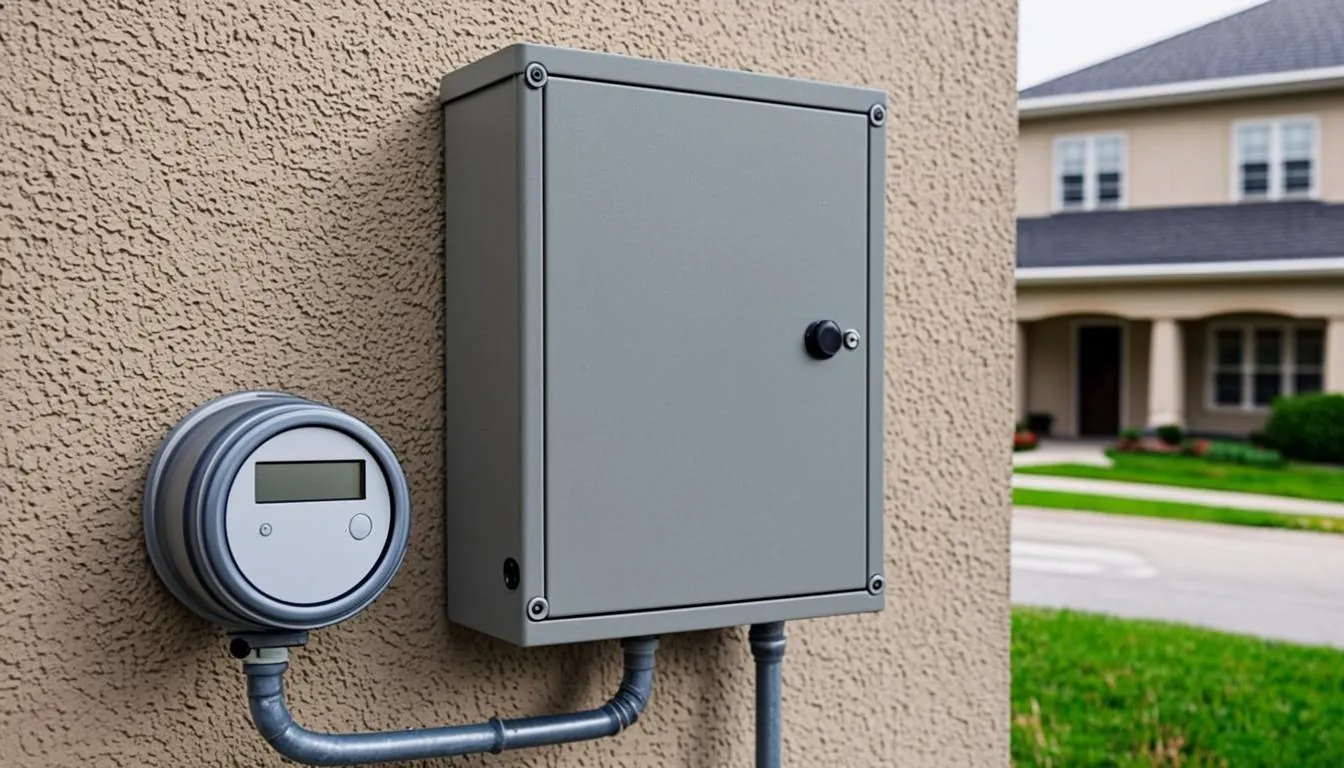
What Is a Generator Transfer Switch?
Utility power and generator power both want to feed the same wiring. The transfer switch is what lets them take turns.
How a Transfer Switch Works
The switch sits between the two sources: utility power on one side, generator power on the other, and the backed-up circuits on the load side. When the utility feed fails, the switching mechanism moves the selected circuits to the generator. When stable utility power returns, the switch moves them back and the generator stands down. By design, both sources never feed the system at the same time.
Why a Transfer Switch Is Important
The safety logic matters as much as the convenience. A proper transfer arrangement helps prevent electrical backfeeding, which is the condition where generator power flows onto utility lines and endangers line crews working on what they believe is a dead feeder. It separates the generator and utility sources, provides controlled power transfer, and supports a generator integration the rest of the electrical system can trust. That is why we will not connect a generator to a household outlet; the shortcut backfeeds, and the consequences reach beyond your property.
Types of Transfer Switches for Fort Pierce Homes
Automatic Transfer Switch Installation (ATS)
An ATS watches the utility feed, detects the interruption, signals the generator to start, transfers the selected loads, restores utility power when it stabilizes, and runs the generator shutdown sequence. For standby systems, it is the difference between an outage being an event and being a flicker.
Manual Transfer Switch Installation
Manual switching pairs well with portable generators: you start the unit, operate the switch, and feed the selected essential circuits. Compatibility with the generator's output matters here, since the switch and the inlet must match what the unit can actually deliver.
Generator Interlock Kit Installation
An interlock kit is not a separate switching device; it is a mechanical lockout fitted to a specific panel manufacturer and model, forcing the main breaker and the generator breaker to alternate. Where the panel supports one, the interlock pairs a dedicated generator breaker and inlet configuration with that lockout. Panel compatibility is absolute here: the kit must match the panel brand and model exactly.
Transfer Switch vs. Generator Interlock
| Criterion | Transfer Switch | Interlock Kit |
|---|---|---|
| Equipment | Dedicated switching device | Mechanical lockout inside the panel |
| Operation | Manual or automatic | Manual |
| Circuits | Per the switch design | Per the panel configuration |
| Application | Standby or portable, per type | Some panels running portable generators |
| Compatibility | Matched to generator and system | Must fit the exact panel make and model |
Automatic Transfer Switch Installation
ATS for Standby Generators
Standby systems need the ATS matched to the generator controller: utility sensing, the automatic startup and transfer sequence, and load configuration all coordinate through that interface. When the pairing is right, the outage response runs itself.
Service-Rated Automatic Transfer Switch
Some installations place the ATS at the service entrance, where it carries the main disconnect requirements and the equipment rating that implies. Those configurations bring utility and electrical coordination into the project, and the rating must match the service it stands in front of.
Essential Load Transfer Switch
Where the backup plan covers selected circuits rather than the whole house, the switch feeds a chosen set: the backed-up circuits get picked deliberately, a separate essential-load panel carries them where appropriate, and circuit prioritization keeps the generator inside its load capacity.
Whole House Transfer Switch
Whole house backup pairs a full-capacity switch with a generator sized for the entire demand. Service equipment compatibility and load management decide whether everything truly runs together or heavy loads get sequenced automatically.
Manual Transfer Switch for Portable Generators
Connecting a Portable Generator to Your Home
The safe portable connection runs through an exterior generator inlet box, properly rated conductors, and compatible manual switching equipment. The dedicated generator connection and the electrical panel it feeds are verified together, so the unit outside powers the circuits you chose inside without any improvised cord arrangements.
Selecting Circuits for Backup Power
Most portable plans cover the refrigerator, selected lighting, communications equipment, and essential household equipment, with HVAC included only where the generator's capacity allows it. The circuit list drives the switch size, so it gets settled before equipment is ordered.
Outdoor Generator Connection Requirements
Generators belong outside, away from openings, with weather-appropriate connection equipment, safe access, and protection from the elements. Manufacturer installation requirements govern the details, and running a unit in a garage or near a window is a carbon monoxide hazard we will not design around.
How to Choose the Right Transfer Switch
Match the Switch to Your Generator
The generator's make, model, rated output, voltage, and phase, plus its control compatibility for automatic units, define the shortlist. A switch that outclasses or underfeeds the unit wastes money or starves circuits.
Evaluate Your Electrical Panel
Panel brand and model, main breaker configuration, available breaker spaces, overall condition, and service rating determine whether the connection lands cleanly, whether an interlock applies, or whether the panel itself should be addressed first.
Choose Between Automatic and Manual Operation
Home occupancy patterns, standby versus portable equipment, the level of automation you want, and essential versus whole home backup separate the candidates. Households that travel during hurricane season lean automatic for obvious reasons.
Determine the Required Transfer Capacity
Total backed-up load, generator capacity, and circuit selection produce the amperage and rating the equipment needs. The switch is rated for what it will actually carry, verified against the applicable equipment ratings rather than guessed.
Why Fort Pierce Chooses Us for This Work
Backfeeding Prevention Is Non-Negotiable
Every connection we install isolates the generator from the utility feed by design, because backfeeding endangers utility crews restoring your street. We walk you through the switching sequence at handover so the arrangement is understood by everyone who will operate it, not just installed correctly once.
Compatibility Verified Before Anything Is Ordered
Interlock kits fit exact panel makes and models, and transfer switches must match generator output and controls. We verify the panel brand, breaker configuration, and generator specification during the site visit, which is why our equipment arrives matching the installation rather than being returned.
Pre-Season Scheduling and 24 Hour Response
Transfer switch work spikes in the weeks before hurricane season, and our 24 hour phone line keeps existing generator owners moving when a connection fails outside business hours. Booking the installation early in the year avoids the pre-storm rush entirely.
Our Transfer Switch Installation Process
- Review the existing generator and electrical panel. Output, controls, brand, model, and condition are documented.
- Identify essential or whole-house loads. The circuit list defines the switching design.
- Verify equipment compatibility. Switch, panel, and generator are matched before ordering.
- Select the appropriate transfer configuration. ATS, manual switch, or interlock, per the findings.
- Prepare permit and electrical documentation. The scope and diagrams go through the city's process where required.
- Install and connect approved equipment. Inlet, conductors, and switching equipment land per the plan.
- Test switching and source isolation. The transfer sequence and utility isolation are proven under real conditions.
- Demonstrate system operation and handover. You operate the sequence once with us watching, then receive the documentation.
Transfer Switch Permits and Electrical Requirements in Fort Pierce
Electrical Permit Documentation
The permit package for switching equipment covers the scope of work, the electrical diagram, equipment specifications, load calculations where they apply, and the inspection requirements. The city's generator checklist expects electrical diagrams and load information precisely because the connection design is what reviewers need to verify.
Generator Installation Coordination
Where the transfer switch is part of a new standby system, the generator permit covers the bigger package, and the electrical load documentation, fuel coordination, and testing all travel together. Standalone switch installations on existing generators follow the electrical path appropriate to their scope, which we confirm per project rather than assuming one process fits every case.
FPUA Utility Coordination
Determining which utility serves the address comes first, because service modifications follow the serving utility's process. Where FPUA governs, coordination happens before work begins; where it does not, the project follows its serving utility's requirements instead.
What Affects the Cost of Transfer Switch Installation?
- Automatic versus manual switch. Automation carries the control hardware and the price that follows it.
- Switch amperage and rating. Whole-house service-rated units cost more than essential-circuit equipment.
- Panel compatibility. Some panels accept standard hardware; others push toward interlocks or upgrades.
- Number of backed-up circuits. More circuits mean larger switching equipment.
- Generator location. Distance from the panel drives conductor length and labor.
- Wiring distance and routing. Trenching, conduits, and wall penetrations each add to the scope.
- Generator inlet and feeder requirements. Portable connections add inlet hardware to the package.
- Existing electrical equipment condition. Connections onto damaged equipment extend the work.
- Permits and inspection. Included in our estimates whenever the scope requires them.
Background reading: how a transfer switch isolates the two power sources and our comparison of automatic and manual switching.
Transfer Switch FAQs
How much does transfer switch installation cost in Fort Pierce?
Cost follows the switch type, automatic versus manual, its amperage rating, the panel it integrates with, how many circuits it backs up, and the wiring distance from the generator. We quote the full scope after reviewing the generator and panel on site.
Do I need an automatic or manual transfer switch?
Automatic switching suits standby systems and households that want power restored without anyone home. Manual switching suits portable generators and budgets that accept starting and switching by hand. Occupancy patterns and the generator type usually make one option clearly better.
Can you install a transfer switch for an existing generator?
Yes. Existing generators are the most common transfer switch project we see: the unit runs fine, but the connection to the house never got done properly. We review the generator's output and controls, then match the switch to both the unit and the panel.
Can a portable generator power my house through a transfer switch?
Yes, that is exactly what a manual transfer switch or generator interlock is for. The portable unit connects to an exterior inlet, and the switching equipment feeds selected circuits while keeping the utility source isolated.
What is the difference between a transfer switch and an interlock kit?
A transfer switch is separate equipment that selects which circuits receive generator power. An interlock kit is a mechanical lockout fitted to a specific panel model that forces the main breaker and generator breaker to alternate. Different hardware, different coverage, same safety goal.
Does an automatic transfer switch start the generator automatically?
When paired with a standby generator designed for it, yes. The ATS senses the utility outage, signals the generator controller to start, transfers the loads, and reverses everything when stable utility power returns.
Can I install a transfer switch with my existing electrical panel?
Often yes, depending on the panel's brand, model, main breaker configuration, available spaces, and overall condition. Some older or damaged panels make the panel upgrade the better first step, and we check before quoting.
Does transfer switch installation require an electrical permit?
In Fort Pierce, generator-related electrical work follows the city's permitting process, and the generator checklist expects an electrical diagram and load information as part of the package. We prepare the documentation for the scope actually being installed.
Can I connect my generator directly to a household outlet?
No. Plugging a generator into a wall outlet backfeeds power onto utility lines, which can injure line crews working blocks away and can damage equipment when utility power returns. A properly installed connection, inlet, and switching equipment is the only safe path into the house.
Request a Transfer Switch Installation Estimate
Tell us the generator you own or plan to buy, and the panel brand if you know it. That pair decides most of the design before we visit.
Call (772) 217-6642