Generator Installation in Fort Pierce, FL
When a hurricane or tropical storm takes out the power on the Treasure Coast, a permanently installed standby generator keeps refrigeration, air conditioning, and essential equipment running. We size, fuel, permit, and install home backup generator systems across Fort Pierce, starting with an honest load assessment rather than a sales pitch.
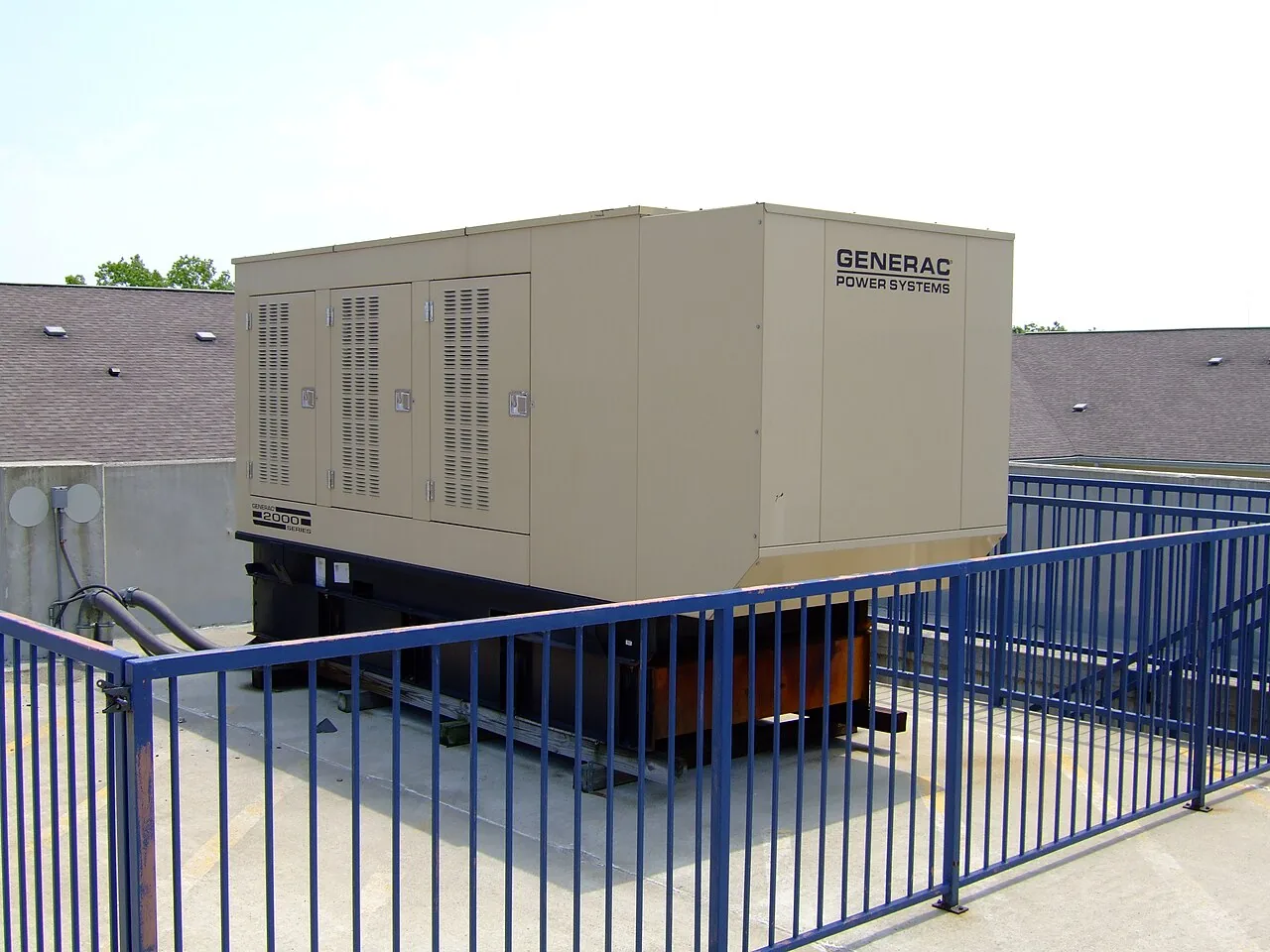
Home Standby Generator Installation for Fort Pierce Homes
Generac-free advice starts here: the equipment brand matters less than the sizing math behind it. Fort Pierce homes sit in a coastal hurricane corridor, and the value of backup power shows up in what the system carries during an outage, not in the badge on the enclosure.
What Is a Home Standby Generator?
A standby generator is a permanently installed unit on a pad outside the home, connected to the electrical system through transfer equipment and to a fuel source, either natural gas where the property has service or an on-site propane tank. Configured with an automatic transfer switch, it detects a utility outage, starts itself, and carries the selected circuits without anyone stepping outside. When utility power returns, the sequence reverses and the unit shuts down.
Standby Generator vs. Portable Generator
| Criterion | Standby Generator | Portable Generator |
|---|---|---|
| Installation | Fixed on a concrete pad, wired to the home | Moves by hand or wheels, stored when unused |
| Startup | Automatic with a transfer switch | Manual pull or electric start, by hand |
| Fuel | Natural gas or propane, per the property | Gasoline or small propane cylinders, per model |
| Home connection | Permanent transfer equipment | Manual transfer switch, inlet, or extension cords |
| Operation | Runs per its automatic configuration | Needs someone present to run and refuel it |
The transfer equipment that makes a portable unit safe is its own subject; see transfer switch installation for that detail.
Why Install a Backup Generator in Fort Pierce?
Coastal Florida takes tropical systems seriously, and the outage map after a hurricane or even a strong summer storm tells the story: refrigeration fails, air conditioning stops, sump and well pumps go quiet, security and communications equipment drops offline, and households running electrically powered medical equipment face harder choices than they planned for. A planned standby system addresses those priorities before the season starts, and sizing determines what it actually carries, so we are explicit that no generator runs everything at once unless it was sized and fueled for exactly that.
Types of Residential Generator Installation
Whole House Generator Installation
Whole house backup starts with the home's total electrical load: the circuits that must run, the ones that can wait, and the generator capacity that covers the difference. Panel and service equipment are evaluated for the connection, and the transfer solution follows the system design.
Essential Circuit Backup Generator
Many households only need specific circuits alive during an outage: the refrigerator and freezer, selected lighting, internet and communications equipment, a well pump or water pump, and air conditioning where the sizing allows. Essential-circuit backup caps the load deliberately, which can bring the generator size, and the cost, down meaningfully compared with whole house coverage.
Automatic Standby Generator Systems
The automatic path adds the control layer: the transfer equipment senses the outage, starts the generator, transfers the selected loads, and manages the power restoration sequence when the utility returns. System testing confirms the whole chain works before hurricane season, not during it.
Generator Equipment Selection
Model and output selection follows the sizing assessment, along with fuel configuration and transfer switch compatibility. We install the equipment lines that match each home's load profile and fuel arrangement, and the manufacturer's installation requirements govern the site work for whichever unit the project calls for.
Choosing the Right Generator Size for Your Home
Identify the Electrical Loads You Need to Power
The sizing conversation is a list: central air conditioning, refrigerator and freezer, well pump or water pump, lighting, kitchen equipment, medical equipment, internet and communications, and the pool pump if it matters to you. Each item moves the number.
Calculate Running Watts and Starting Loads
Appliances draw one amount while running and a larger surge while starting, and motors are the worst offenders. The calculation adds normal operating load and starting demand, then checks them against simultaneous operation and the selected circuits, because a generator sized only for running watts stumbles every time the AC kicks on.
Whole House vs. Essential Circuit Sizing
Deciding what runs and what waits is a household conversation, not a technical one. We lay out the load options, mark the equipment that would be excluded from each scenario, and note where load management could let a mid-size generator carry more than its nameplate suggests.
Does Your Generator Need to Run Central AC?
The compressor's starting demand, the HVAC equipment's specifications, and the generator's output capability decide it. Where the numbers are close, load sequencing and management devices can bridge the gap; where they are not, we say so plainly.
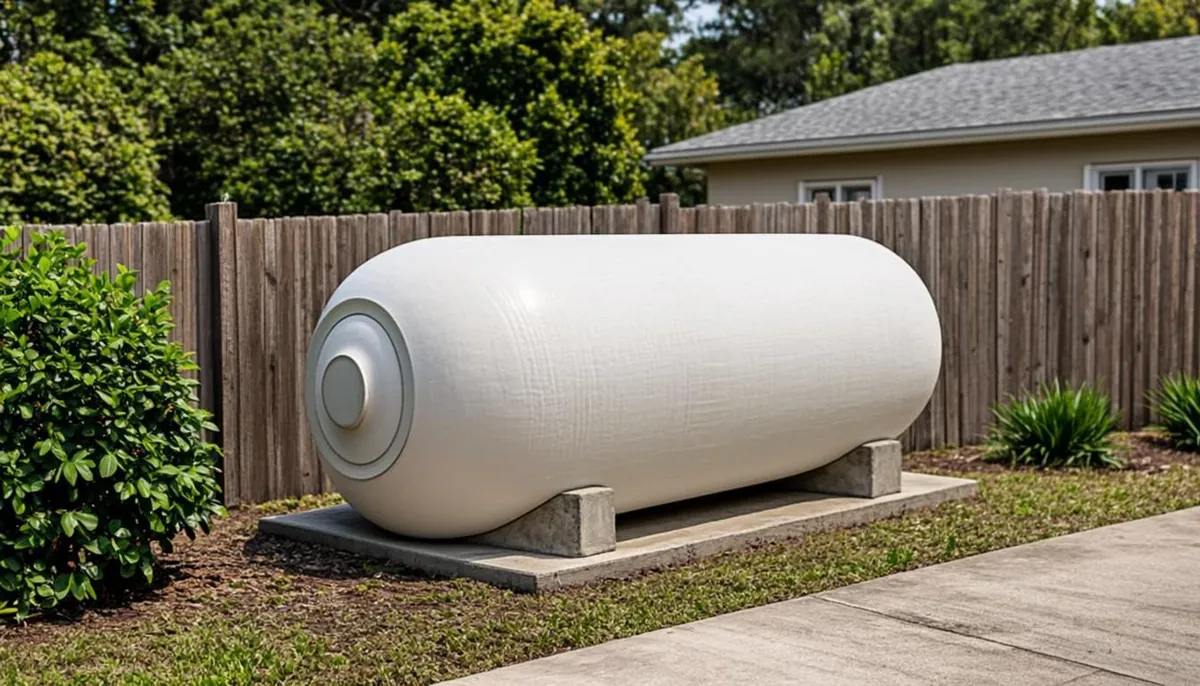
Generator Fuel Options in Fort Pierce
Natural Gas Standby Generators
Where the property has natural gas service, the generator can pipe directly to the supply, and refueling stops being a chore during a long outage. Gas supply capacity, pipe sizing, pressure, and connection requirements all get verified, because an undersized gas line starves the generator exactly when it matters. Fuel piping also carries its own permit.
Propane Standby Generators
Propane runs the same modern standby units through an on-site tank. Tank sizing follows the expected operating load and run time, placement follows the property survey and clearances, and the gas line connection plus refill access get planned together so the fuel arrangement supports the system rather than limiting it.
Choosing Between Natural Gas and Propane
Availability decides this question in most cases, and we verify what the address actually has rather than assuming, because natural gas service is not present across every Fort Pierce street. Generator model compatibility, expected operating load, storage requirements, and installation conditions fill in the rest of the comparison.
Generator Placement and Installation Requirements in Fort Pierce
Generator Pad and Installation Location
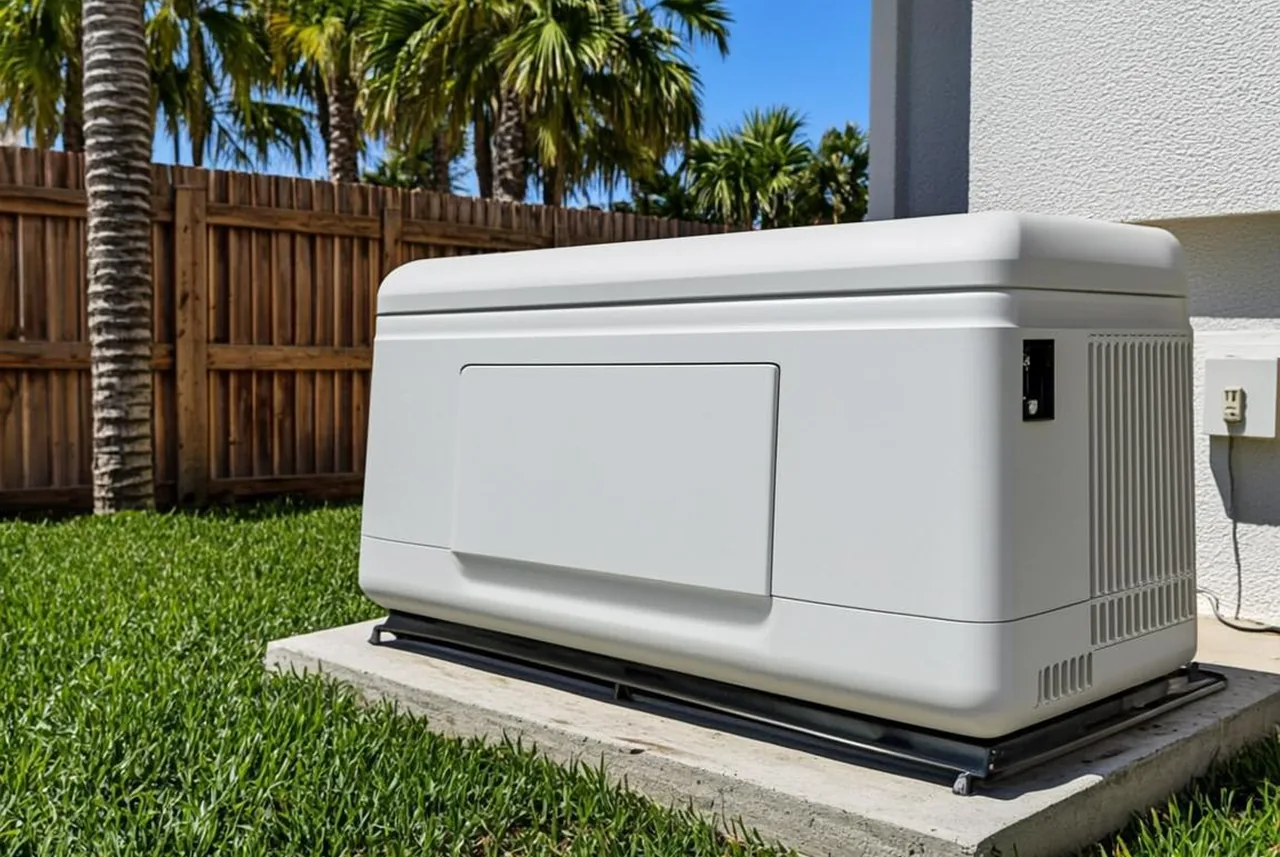
Placement starts with the property survey. The proposed equipment location gets checked against manufacturer specifications, service access needs, and the applicable clearance requirements before the pad is drawn, because moving a generator after the slab exists is an expensive redo.
Generator Mounting and Storm Considerations
The pad design, equipment anchoring, and outdoor exposure conditions are engineered together, since coastal weather is the whole reason the generator exists. Installation follows the approved plans, and the anchoring that passes inspection today is the anchoring that holds during a storm.
Generator Installation in Flood-Prone Areas
Part of Fort Pierce sits in mapped flood zones, and the city's generator checklist requires equipment in a Special Flood Hazard Area to be elevated to the design flood elevation or higher. We check the flood designation during the site evaluation, confirm the applicable elevation requirement, and review site conditions before the slab work is quoted.
Generator Installation Permits in Fort Pierce, FL
Generator Permit Application
The application carries the property address, contractor information, fuel source, generator specifications, and the project scope and valuation. We complete it against the city's published checklist so the package arrives complete.
Electrical Plans and Load Calculations
The electrical diagram, selected loads, generator capacity, and feeder and service load calculations document the design. Manufacturer specifications attach to the same package, and reviewers use them to verify the installation matches the equipment the permit describes.
Separate Gas Permit Requirements
Fuel systems get their own permit. The gas application documents the fuel source and, where propane applies, the tank location on the survey. Coordination with a qualified gas contractor covers the fuel piping scope, and the electrical permit proceeds alongside rather than instead of it.
Generator Inspection and Approval
Electrical inspection, fuel system inspection where it applies, and final operational testing close the project out. Permit timelines depend on the application, the property, and the authority having jurisdiction, so we do not promise approvals on a clock; we keep the paperwork complete instead.
Why Fort Pierce Chooses Us for This Work
Sizing That Survives Contact With Reality
The load assessment happens before any model is named, and the calculation separates running watts from the starting surges that actually stall undersized generators. You see the arithmetic behind the recommendation, including what each option would leave powerless during an outage, so the generator you buy matches the outage you are planning for.
Flood-Zone and Placement Compliance From Day One
Generator siting in Fort Pierce runs through the city's checklist: survey location, easement restrictions, slab drawing, and elevation requirements in Special Flood Hazard Areas. We verify the flood designation and clearances during the site evaluation, which is why our pad plans pass review the first time.
Complete Permit Packages, Electrical and Gas
Generator permits here involve two document trails, electrical and fuel, plus utility coordination where the service connection demands it. We assemble both applications with the diagrams and load documentation reviewers expect, so the project schedule is governed by construction, not by paperwork corrections.
Our Generator Installation Process
- Initial consultation. Priorities, budget range, and the property address frame the project.
- Home power assessment. The panel, service, and outage priorities are documented on site.
- Generator sizing and selection. Running and starting loads produce the capacity recommendation.
- Fuel source and site evaluation. Gas availability or propane sizing, pad location, and clearances are verified.
- Permit and engineering documentation. Electrical and fuel applications, diagrams, and the slab drawing go to the city.
- Pad preparation and generator placement. The slab is built and the unit is set and anchored.
- Electrical and fuel connections. Wiring, conduit, and fuel lines connect per the approved plans.
- Transfer switch integration. The transfer equipment is installed and configured for the selected loads.
- System testing and project handover. Operational testing under simulated outage conditions, then documentation handover.
What Affects the Cost of Generator Installation?
- Generator capacity and model. Output rating drives equipment cost more than any other line item.
- Whole house versus selected-circuit backup. Coverage choice sets the capacity requirement and the transfer equipment.
- Natural gas or propane configuration. Fuel availability, piping distance, and tank sizing change the fuel-side scope.
- Fuel line distance and capacity. Longer runs and pressure requirements add material and labor.
- Transfer switch type and size. Automatic units, service-rated equipment, and load management differ in cost.
- Electrical panel modifications. Where the panel needs work to accept the connection, that scope joins the project.
- Concrete pad and anchoring. Slab construction is site work, and elevation requirements in flood zones add to it.
- Site accessibility and trenching. Distance from the panel, landscaping, and underground routing all count.
- Flood elevation requirements. Elevated pads and anchoring follow the mapped designation of the parcel.
- Permits and inspections. Electrical and gas permits plus inspections are part of the quote, not a surprise.
For sizing background, read how to build the load list behind a generator sizing decision, and for the technology comparison see our standby and portable generator comparison.
Generator Installation FAQs
How much does standby generator installation cost in Fort Pierce?
The total depends on generator capacity, whole house versus essential-circuit coverage, the fuel arrangement, transfer switch type, and site conditions such as pad construction and trenching. After the load assessment we quote the full scope, including permits, so nothing surfaces mid-project.
What size generator do I need for my Fort Pierce home?
The answer comes from adding up the loads you want running during an outage, including the starting demand of motors like the AC compressor and well pump. A whole house system and an essential-circuit system can differ by thousands of watts, which is why sizing comes before any model recommendation.
Can a standby generator run my central air conditioner?
Often yes, but the air conditioner's compressor draws a large starting surge, and the generator must be sized to handle it. Load management devices can also sequence heavy loads so a smaller generator carries the home comfortably. We verify the AC specification during sizing.
Is a whole-house generator better than an essential-circuit generator?
Neither is universally better. Whole house backup runs everything, at a higher generator capacity and price. Essential-circuit backup covers refrigeration, lighting, communications, and selected equipment, at a smaller size. The right choice depends on what must keep running at your house.
Does generator installation require a permit in Fort Pierce?
Yes. The City of Fort Pierce generator checklist requires the manufacturer specifications, a property survey showing the unit and fuel tank location, an electrical diagram, load information, and a slab drawing, and gas work carries its own permit. We assemble the application package as part of the project.
Can I install a generator if my property is in a flood zone?
Usually yes, with elevation requirements. Parcels in a Special Flood Hazard Area must place the generator at or above the design flood elevation under the city's checklist. We verify the flood designation during the site evaluation and plan the pad height accordingly.
Should I choose natural gas or propane?
Fuel availability decides first. Properties with natural gas service can pipe the generator to the meter, while propane sites need a tank sized to the expected run time. Both fuel types power modern standby generators reliably, and the site conditions usually point to one clearly.
Does a standby generator start automatically when power goes out?
With an automatic transfer switch, yes. The switch senses the utility interruption, signals the generator to start, transfers the selected loads, and reverses the sequence when utility power returns. Systems without automatic equipment require manual starting and switching.
Do I need to upgrade my electrical panel before installing a generator?
Not necessarily. Generator installation requires load planning and a compatible connection, but plenty of homes take a generator without any panel change. The load calculation and panel inspection settle it honestly, and we say so when the existing equipment is fine.
Request a Generator Installation Estimate
Tell us what must keep running during an outage, and whether the property has natural gas service. The sizing assessment takes it from there.
Call (772) 217-6642