What Size Generator Do I Need for My House?
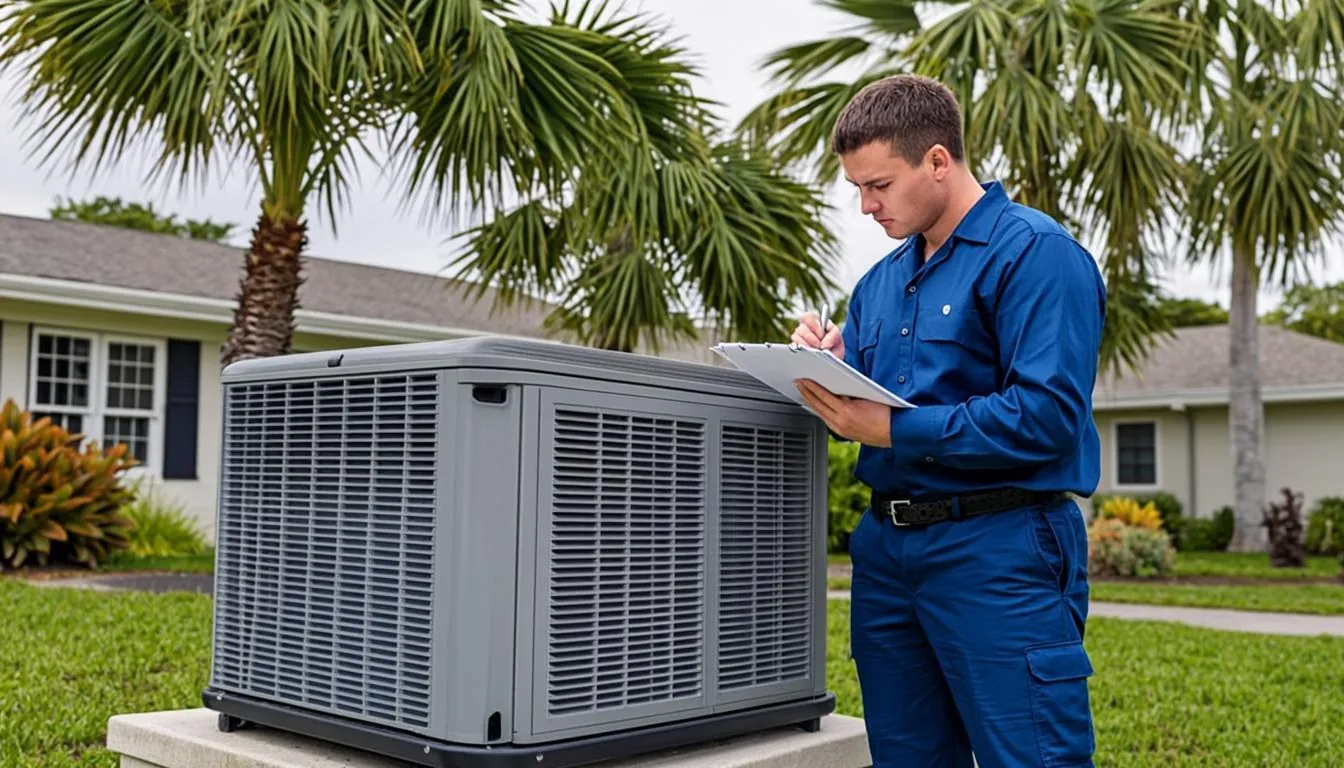
Generator sizing goes wrong in a predictable way: someone guesses. They guess by house size, by neighbor's unit, or by a salesperson's preference, and the result is either a generator that stalls every time the air conditioner starts or one that costs thousands more than the household needed. The fix is arithmetic, and it is the same arithmetic our Fort Pierce assessments run.
Step One: Build the Load List
Write down what must run during an outage, honestly. The usual Florida list includes the refrigerator and freezer, central air conditioning, lighting circuits, the well pump or water pump where the property has one, internet and communications equipment, and any medical equipment. The pool pump, the electric water heater, and the range join the list only if the household decides they belong there.
The list is a household conversation, not a technical one. Every item on it moves the final number, and every item left off it is equipment that will be dark during the next outage. Deciding consciously beats discovering accidentally.
Step Two: Separate Running Watts from Starting Watts
Every appliance draws one amount while running and a larger amount while starting. Motors are the extreme case: an air conditioner compressor can demand two to three times its running wattage for the moment it spins up. A generator sized only for running watts handles the steady state and stumbles exactly when the AC kicks on, which is the most common sizing complaint we hear.
The calculation therefore adds running loads for the equipment that runs continuously and starting loads for the motors, then checks the total against what the generator can actually deliver. Manufacturer specifications supply the numbers for each appliance; the assessment measures what is really on the property.
Step Three: Choose Between Whole House and Essential Circuits
The same house produces two very different numbers depending on the coverage choice. Whole house backup sizes the generator to run everything, including the AC, the water heater, and the kitchen, simultaneously. Essential-circuit backup sizes it to the list from step one, deliberately excluding what can wait.
Essential-circuit systems are the smaller purchase, and for many households they cover the real outage experience: refrigeration, some light, the internet, the phone chargers, and the equipment that matters for health. Whole house systems are the larger purchase with the simpler outage story. Neither is wrong; each one is a decision about money versus convenience that the household should make with the numbers in front of it.
Step Four: Check the Starting Surge Against Reality
The AC question deserves its own check. If central air conditioning is on the load list, the compressor's starting demand, the HVAC equipment's specifications, and the generator's surge capability have to align. Where they nearly align, load management equipment can sequence the heavy starts so a mid-size generator carries the home without stalling. Where they do not align, the honest answers are a larger generator or an AC that waits.
Step Five: Confirm the Fuel Side Supports the Size
Capacity without fuel is a promise the unit cannot keep. Natural gas sites verify that the gas supply and pipe sizing support the generator's consumption at load, and propane sites size the tank to the expected run time between refills. An undersized fuel line starves a perfectly good generator in exactly the hours it matters, which is why fuel planning is part of sizing rather than an afterthought.
What the Assessment Produces
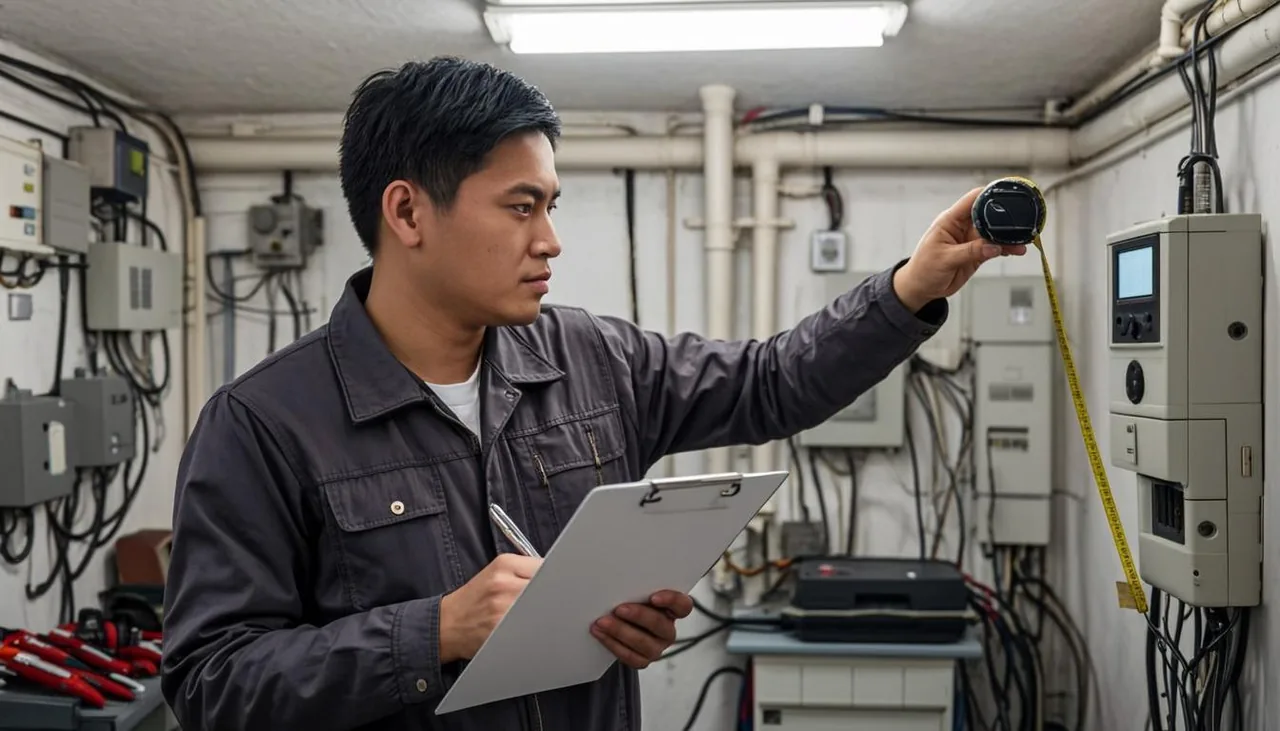
A proper sizing assessment ends with a number and a list: the generator capacity the household needs, the circuits it will carry, the fuel arrangement that supports it, and the transfer equipment that connects it. From there, model selection follows rather than leads. The full sequence, from assessment to permit, lives on our generator installation page.
Generator Sizing FAQs
What size generator runs a typical Florida home?
It depends on the coverage choice and the AC. Essential-circuit systems for modest homes and whole house systems for larger properties differ by thousands of watts, which is why the load list comes first.
Can I size a generator by square footage alone?
No. Square footage correlates with some loads but misses the ones that decide sizing: AC compressor surges, pool pumps, wells, and the equipment list the household actually chooses.
What happens if my generator is too small?
Expect stalled starts, tripped overloads, and refrigeration that cycles off under load. An undersized generator works hardest at exactly the moment it was bought for.
Is a bigger generator always safer?
Oversizing wastes fuel and money, and it does not improve protection. The right size is the calculated one, verified against the household's actual equipment.
Get Your Household Sized Correctly
Our assessment produces the load list, the numbers, and the generator capacity that matches both.