Automatic vs. Manual Transfer Switch: Which One Do You Need?
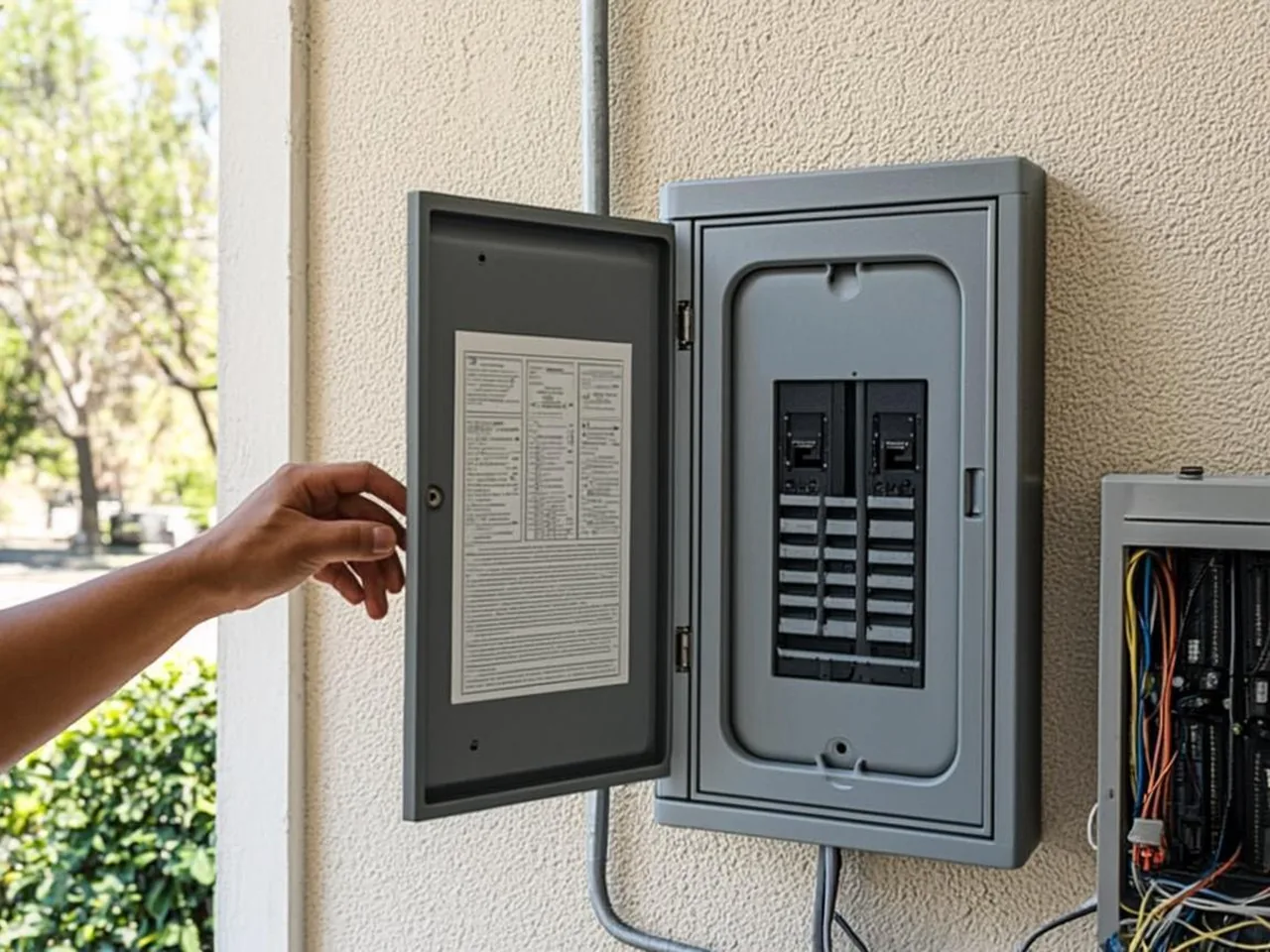
Once a household decides a generator is worth connecting properly, one design question remains: automatic switching or manual? The two devices achieve the same safety outcome, source isolation, and they differ in who performs the work, how fast power returns, and what the equipment costs. This comparison is the one we walk through with Fort Pierce generator owners before ordering anything.
How an Automatic Transfer Switch Works
The ATS watches the utility feed continuously. When voltage fails, it signals a standby generator to start, waits for the unit to stabilize, transfers the loads, and monitors until utility power returns. Then it transfers back and shuts the generator down. No human participates, which means the sequence works at 3 a.m., during a downpour, with the household in another state.
The pairing requirements are strict: the ATS must match the generator's output and control interface, because the two devices coordinate through electrical signals rather than human intervention.
How a Manual Transfer Switch Works
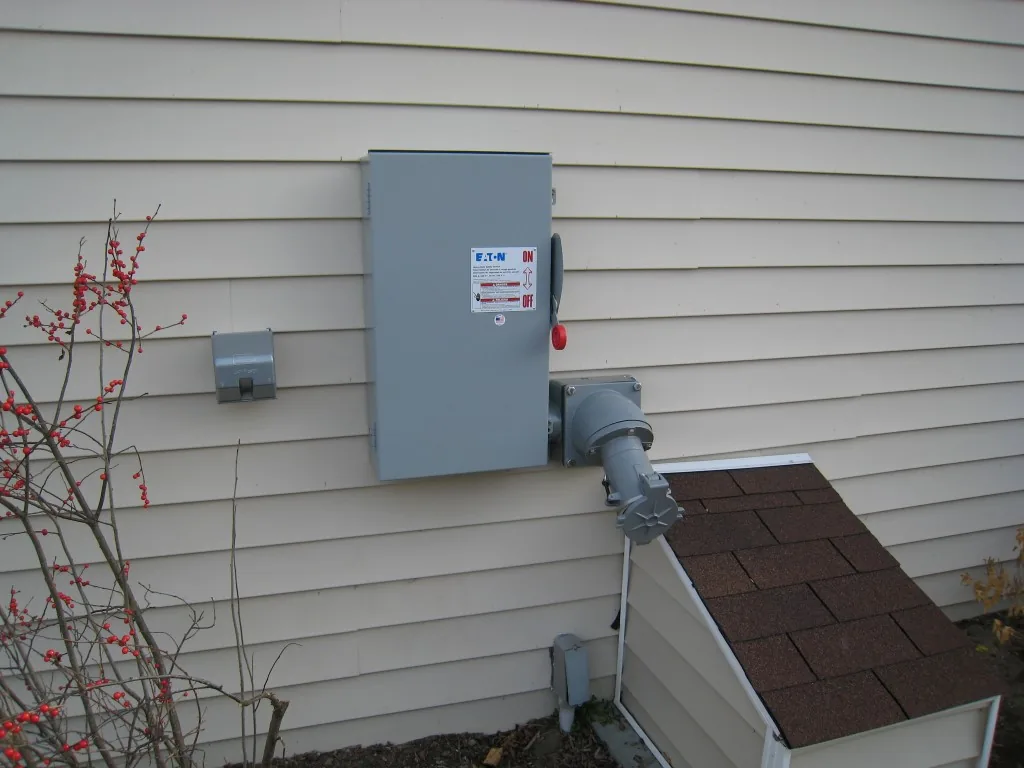
The manual switch pairs with portable generators and an exterior inlet. The operator walks out, starts the engine, connects the cord, and moves the switch to generator power. Selected circuits receive the generator's output while the utility feed stays isolated. The return sequence repeats the walk in reverse.
Manual equipment costs less and imposes no compatibility requirements beyond matching the generator's output rating to the switch and inlet. Its price is paid in participation: every outage includes at least two trips outside, and refueling adds more.
Comparing the Two, Criterion by Criterion
| Criterion | Automatic Transfer Switch | Manual Transfer Switch |
|---|---|---|
| Operation | Fully automatic outage response | Operator starts and transfers by hand |
| Generator pairing | Standby units with matching controls | Portable units through an inlet |
| Response time | Seconds to a minute, unattended | As fast as the operator moves |
| Cost | Higher equipment and installation | Lower equipment, simpler scope |
| Best for | Travel households, medical needs, whole house backup | Budget plans, occasional outages, essential circuits |
The Household Patterns That Decide It
Four questions settle most choices. First, who is home during outages? A household that evacuates for hurricanes, or that includes someone unable to operate equipment in the dark, leans automatic, because a manual sequence nobody performs is an outage with extra steps. Second, what generator do you own? Standby units want an ATS; portable units want manual equipment or an interlock. Third, what does the budget support? The ATS carries its automation premium honestly. Fourth, what circuits are being backed up? Whole house designs and essential-circuit designs both exist for either switch type, but essential-circuit coverage pairs most naturally with manual equipment.
Where the Interlock Fits
Between the two switches sits a third option worth knowing: the generator interlock kit. It is not a transfer switch. It is a lockout plate machined to one panel's breaker layout, holding the main breaker and a dedicated generator breaker so only one can close at a time. For portable-generator owners whose panel supports one, the interlock delivers safe switching at a modest price. Panel compatibility is absolute, which is why the panel's brand and model get verified before the kit is ordered.
Our Recommendation Pattern
Standby generator owners get an ATS matched to their unit; the automation is why the standby exists. Portable generator owners with an essential-circuit mindset get a manual switch and inlet, or an interlock where the panel allows. Households torn between them usually resolve the question by answering the travel question honestly. The hardware detail for every option lives on our transfer switch installation page, and the generator-side planning is on our generator installation service.
Automatic vs. Manual FAQs
Is an automatic transfer switch worth the extra cost?
For standby systems and households that are not always home, yes; the automation is the point. For portable setups with someone available to operate them, the manual path is the honest economy.
Can I upgrade from a manual switch to an automatic one later?
Usually, with caveats: the generator must support automatic control, and the panel must accept the ATS. We verify both before quoting the upgrade.
Does a manual transfer switch require a standby generator?
No. Manual switching pairs with portable generators through an inlet; the standby pairing is the ATS's territory.
Why does the interlock kit have to match my panel brand?
The kit is a mechanical part sized to a specific panel's breaker layout. A mismatched kit cannot enforce the lockout, which defeats the safety design.
Choose Your Switching Design With an Electrician
We verify the generator, the panel, and the household's outage patterns before recommending ATS or manual equipment.