What Is a Generator Transfer Switch and How Does It Work?
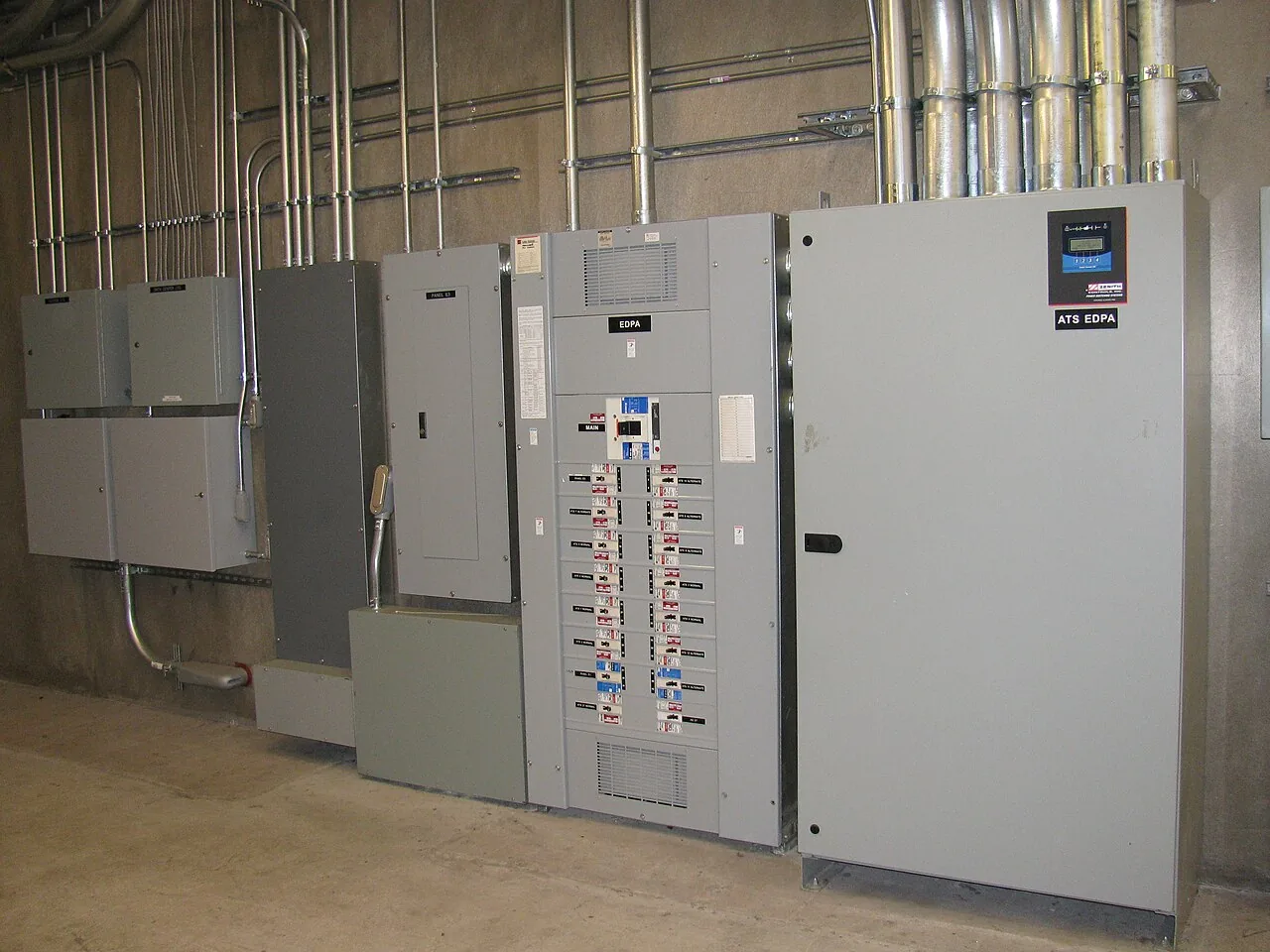
The transfer switch is the least famous part of a backup power system and the only part that makes it safe. Generators produce electricity; transfer switches decide where that electricity is allowed to go. Understanding the device takes about five minutes and prevents the single most dangerous mistake in home backup power.
The Two-Source Problem
Your home's wiring normally receives exactly one power feed: the utility. During an outage, the generator offers a second feed. The wiring does not care where electricity comes from, which is precisely the problem. Two sources feeding the same circuits simultaneously damages equipment, energizes lines the utility believes are dead, and turns a power outage into a safety incident for the line crew restoring your street.
How a Transfer Switch Works
The transfer switch sits between the sources and the circuits. On one side, the utility feed; on the other, the generator; on the load side, the backed-up circuits. Its switching mechanism connects the loads to exactly one source at a time.
When the utility fails, the switch moves the selected circuits to the generator. When stable utility power returns, the switch moves them back, and the generator stands down. Automatic units perform the sequence through their own sensing; manual units perform it through an operator who follows a short, deliberate procedure.
Why the Switch Prevents Backfeeding
Backfeeding is the failure mode the switch exists to prevent. When a generator is connected to house wiring without proper isolation, its power flows backward through the panel, out to the transformer, and onto utility lines at full voltage. A line crew working on what they have verified as a de-energized feeder encounters live voltage from your generator. The consequences reach beyond your property, which is why connecting a generator through a wall outlet is not a shortcut; it is the hazard.
A properly installed transfer arrangement isolates the two sources by design, with mechanical or electrical interlocks making simultaneous connection impossible rather than unlikely.
What the Switch Feeds During an Outage
Coverage depends on the equipment chosen. A whole house transfer arrangement feeds the entire panel, subject to the generator's capacity. An essential-circuit switch feeds a chosen subset: refrigeration, selected lighting, the well pump, communications, and medical equipment. The circuit list is a design decision made before purchase, and it drives both the switch size and the generator sizing.
Types of Transfer Equipment
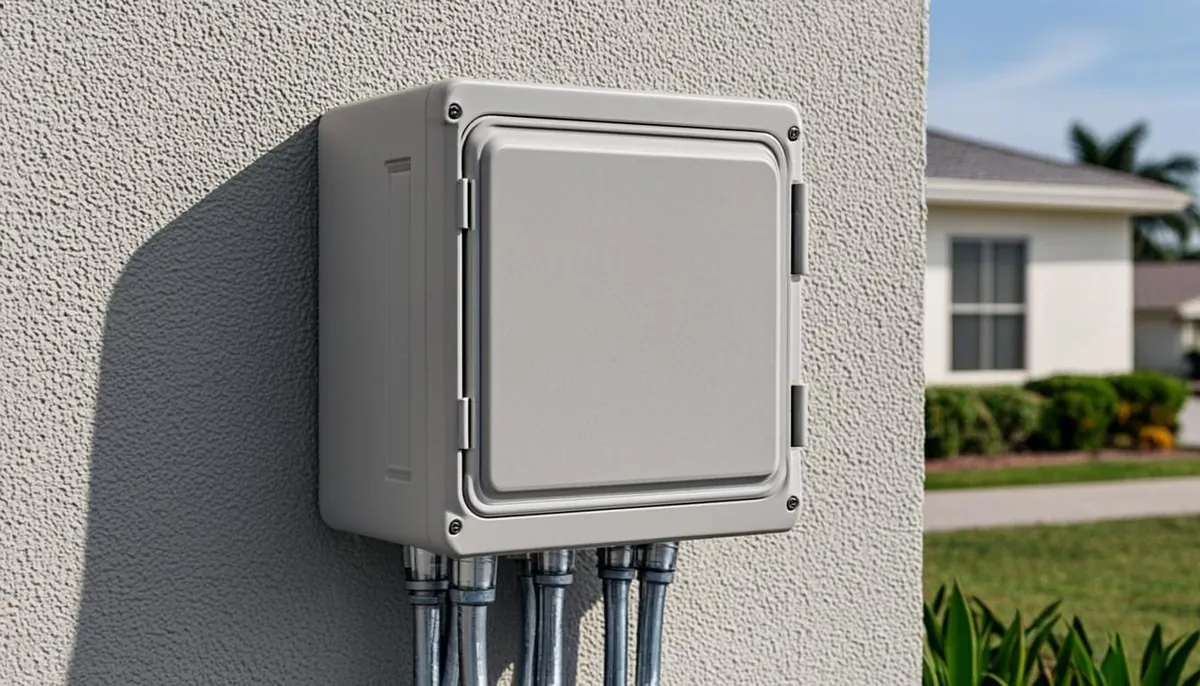
Three hardware families cover residential needs. The automatic transfer switch senses outages and manages the sequence itself, pairing with standby generators. The manual transfer switch pairs with portable units and an exterior inlet, transferring selected circuits by hand. The generator interlock kit is not a separate switch at all: it is a mechanical lockout fitted to a specific panel model that forces the main breaker and the generator breaker to alternate, giving portable-generator households a code-compliant path using the panel they already own.
The comparison between these options, including the panel compatibility rules that decide which ones apply to your house, is detailed on our transfer switch installation page.
When the Switch Is Part of a Permit
Generator-related electrical work in Fort Pierce runs through the city's permitting, and the generator checklist expects an electrical diagram and load information precisely because the connection design is what reviewers verify. A transfer switch installation on an existing generator follows the electrical path appropriate to its scope. Either way, the switch appears on the documents, because it is the safety-relevant equipment in the design.
Transfer Switch FAQs
Can I run my generator without a transfer switch?
Only by running extension cords directly to appliances. Any connection into house wiring requires transfer equipment, because the alternative backfeeds utility lines.
Does the transfer switch run the whole house?
Only if it is sized for it and the generator behind it can carry the load. Essential-circuit switches feed the circuits you selected when the system was designed.
Is an interlock kit as safe as a transfer switch?
Both provide code-compliant source isolation when installed correctly. They differ in operation and coverage; the safety goal is the same.
Who installs transfer switches?
A licensed electrical contractor installs and permits them. The device lives inside your electrical system, and its installation is panel work.
Get Your Generator Connected Safely
We install ATS units, manual switches, and interlock kits across Fort Pierce, with the isolation designed in.