Standby Generator vs. Portable Generator: Which Is Better for Your Florida Home?
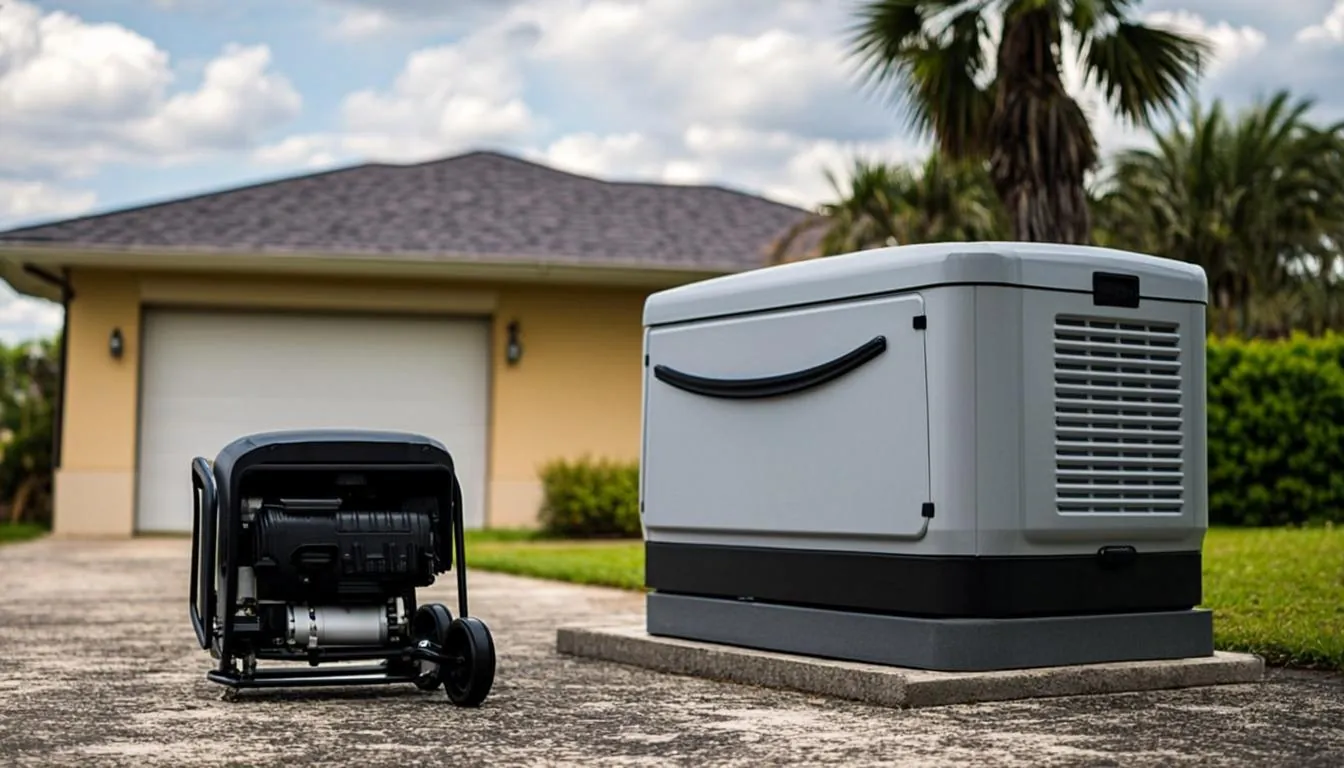
Every Treasure Coast hurricane season reopens the same household debate: buy the permanent unit that starts itself, or the portable one that starts by hand. Both keep power flowing. They differ in what they cost, what they run, and what they ask of you at 2 a.m. in the rain. Here is the honest comparison we give Fort Pierce homeowners before either purchase.
Installation: Permanent vs. Mobile
A standby generator is infrastructure. It sits on a concrete pad, connects to the home's electrical system through transfer equipment, and connects to a fuel source, natural gas or propane, that it shares with the property. The installation is a permitted project with electrical and sometimes fuel permits, inspections, and a place on the property survey.
A portable generator is equipment. It arrives on wheels, lives in a garage, and requires nothing more permanent than an extension cord or, better, a professionally installed inlet and manual switching equipment. Its installation burden is nearly zero; its operational burden is not.
Startup: Automatic vs. Manual
Configured with an automatic transfer switch, a standby unit detects the outage, starts itself, and transfers the selected loads without anyone being home. The reverse happens when utility power returns. For households that travel during hurricane season or have anyone who cannot operate equipment in the dark, automation is the deciding feature.
A portable unit starts by pull cord or electric starter, and its connection to the house, when done safely, is a manual process. Someone walks outside, starts the engine, connects the cord, and operates the switch. Every refuel repeats the walk.
Fuel: Fixed Supply vs. Stored Gasoline
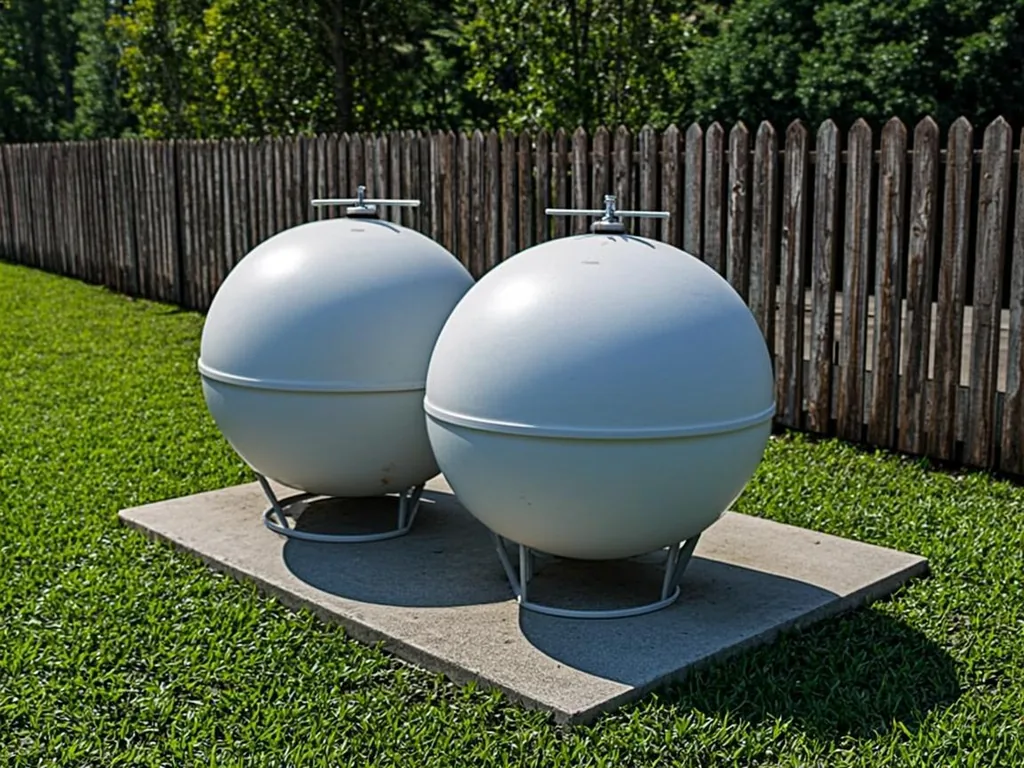
Standby units run on natural gas where the property has service, or on an on-site propane tank. Either way the supply outlasts the outage, which matters because multi-day outages are exactly the scenario Florida plans for.
Portables drink stored gasoline, and gasoline storage carries its own problems: stabilizer, rotation, and quantity. A portable that runs the refrigerator for three days consumes more fuel than most owners have stored, and stations are unreliable in the hours after a storm for reasons everyone on this coast remembers.
Home Connection: Transfer Equipment vs. Cords
The safe version of the portable story includes a manual transfer switch or interlock with an exterior inlet, installed by an electrician. That hardware feeds selected circuits through the panel, and it prevents backfeeding, the dangerous condition where generator power flows onto utility lines. The improvised version, plugging a generator into a wall outlet or running cords through windows, is the one we spend our repair visits undoing.
A standby unit's connection is its transfer equipment by definition, and its circuit coverage is designed rather than improvised. The design detail lives on our transfer switch installation page.
Operation: What Each One Actually Runs
A properly sized standby system runs what it was designed for: refrigeration, air conditioning if sized for it, lighting, well pumps, communications, and medical equipment. Whole house systems run everything; essential-circuit systems run the list the household chose.
A portable unit runs whatever its wattage allows, which is usually a refrigerator, some lights, a fan, and phone chargers. Air conditioning is beyond most portable units because compressor starting surges exceed what small engines deliver. That single fact shapes most purchase decisions more than price does.
Which One Fits Your Household?
Buy the portable if outages are rare and short in your plans, your budget is fixed, and someone capable will always be home to operate it, with the inlet and switching equipment installed properly. Buy the standby if multi-day outages are the scenario you are planning for, if air conditioning during a Florida summer is non-negotiable, or if the house must protect itself when nobody is home. The sizing math that settles it is the subject of our guide on choosing generator size, and the installation detail is on our generator installation page.
Standby vs. Portable FAQs
Can a portable generator power central air conditioning?
Only larger portables with the surge capacity a compressor demands, and even then the fuel consumption is significant. Most portable units run refrigeration and lighting comfortably but not an AC system.
Is a standby generator worth it in Florida?
For households planning around multi-day outages, essential medical equipment, or travel during hurricane season, yes. For short, rare outages, a properly connected portable may be the honest answer.
How long can a standby generator run continuously?
As long as its fuel supply holds, which for natural gas or a large propane tank means days. The manufacturer's maintenance schedule governs long runs, and we review it at handover.
Does a portable generator still need professional installation?
For a safe house connection, yes: the inlet, conductors, and switching equipment require an electrician. Running bare extension cords through a window is the alternative, and it is a poor one.
Plan Your Backup Power Before the Season
We size, fuel, permit, and install standby systems across Fort Pierce, and connect portables safely.