How Often Should You Maintain a Home Standby Generator?
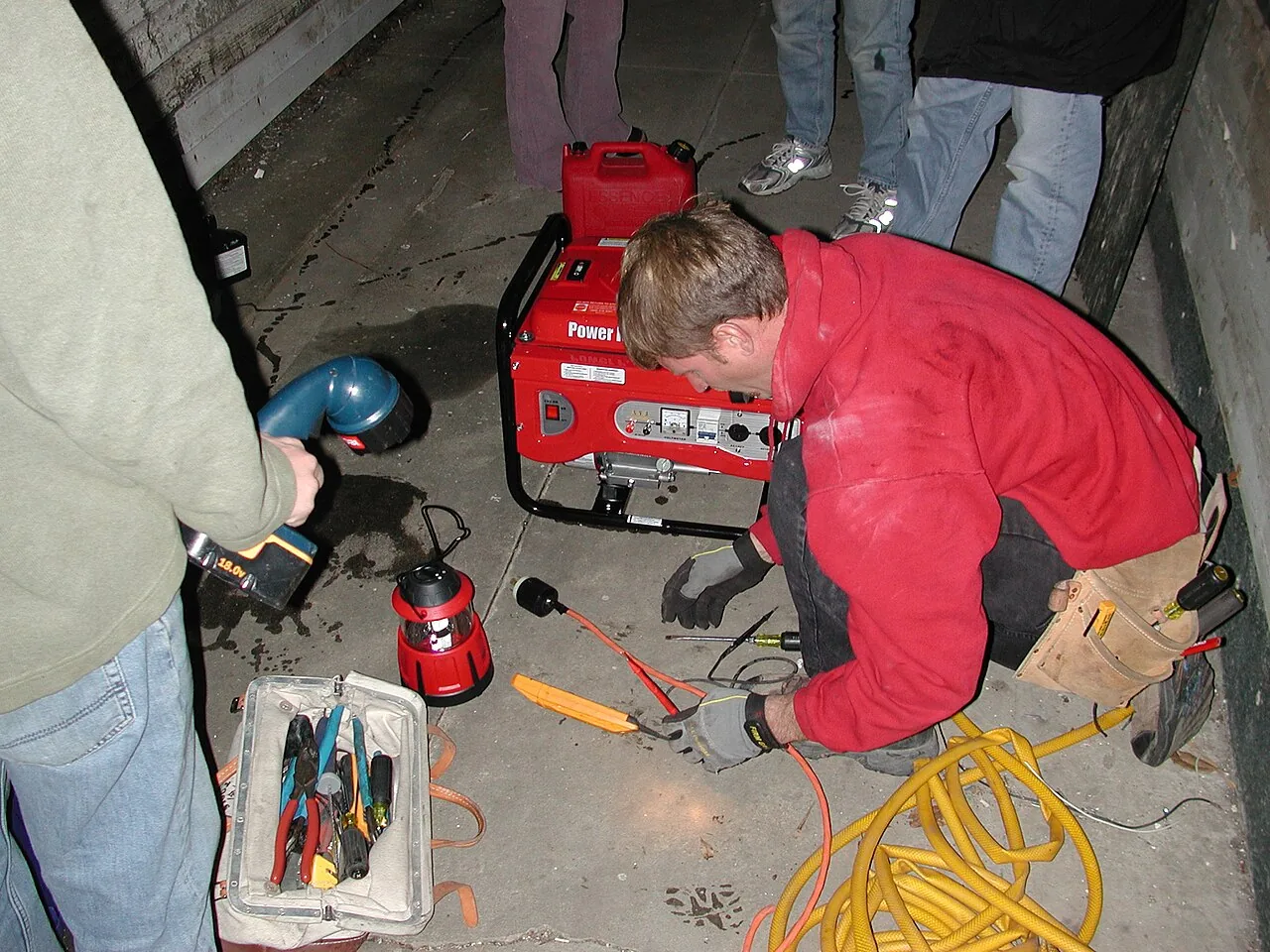
A standby generator spends most of its life waiting, and its one big performance test arrives unannounced at two in the morning during a storm. Maintenance is what makes that single performance reliable, and the question "how often" has a two-part answer: the manufacturer's manual owns the schedule, and the owner's routine owns everything between the scheduled visits. Here is how the division of labor works.
Why Standby Generator Maintenance Matters
The failure modes of a neglected generator are boring and predictable: a battery that died months ago, oil that has aged past its service life, a fuel system with stale contents, and an exercise routine that has been silently failing without anyone noticing. None of these announce themselves on the control panel until the unit is needed. Hurricane-season readiness is not a purchase; it is a maintenance condition that decays without attention.
Routine Visual Inspection
The owner's monthly minute: walk past the unit and look. The enclosure should be closed and undamaged, the area around the unit clear of growth, mulch, and stored items, no fluid puddles beneath it, no insect or rodent evidence in the vents, and the unit's display showing its normal ready state. Salt air and Florida sun age enclosures and fasteners faster inland, so coastal owners should add a glance for corrosion to the walk-around.
Engine Oil and Filter Maintenance
Oil is the engine's life, and the manual specifies the interval, commonly expressed in run-hours and calendar time, along with the oil specification the engine expects. Generators run few hours but those hours are hard ones; the calendar matters even when the hour count is small. Oil and filter changes are owner-doable for the comfortable and routine for the rest of us; either way the interval comes from the manual, not from folklore, and the log entry records it.
Battery Inspection
The battery is the generator's most common single point of failure, because the unit only needs it at the exact moment of startup. The manual's checks, terminal condition, charge state, age, belong in every professional visit, and the battery's replacement date is a calendar fact, not a judgment call. A generator that exercises automatically but starts slowly is often telling a battery story.
Coolant and Fuel System Checks Where Applicable
Liquid-cooled units carry coolant whose level and condition the manual covers; air-cooled residential units do not. The fuel side differs by fuel: gas-fired units get their supply connection and pressure verified, propane units get the tank level monitored and the regulator and line inspected. Fuel quality and supply are outage-critical, and both checks join the professional visit.
Automatic Exercise Cycles
Most modern units exercise themselves weekly, running briefly under no load to keep the engine healthy and to surface problems. The owner's job is to notice the exercise happening, or to notice that it has stopped happening. An exercise that fails, or a unit that no longer runs its schedule, is the earliest warning the maintenance system offers, and it is free.
Professional Generator Maintenance
The annual professional visit, whose interval the manual states, bundles the checks the owner cannot easily do: oil and filters to specification, battery load testing, coolant and fuel system verification where applicable, transfer-switch operation, electrical connections re-torqued and inspected, and a documented test of the whole startup sequence. The visit also catches the slow-motion failures, corrosion, fluid seeps, enclosures aging, that the monthly walk-around noted but could not diagnose. Our generator installation service includes setup of exactly this maintenance rhythm at handover.
Preparing Your Generator Before Hurricane Season
One extra visit each year, timed before June, closes the gap between "maintained sometime" and "maintained for the season": fuel supply confirmed full, battery verified fresh, exercise cycle confirmed working, and the essential-circuit list reviewed against the household's current needs. Households that add equipment, a new freezer, a second AC zone, between seasons should have the load list updated rather than discovering the gap during the outage.
The manual owns the numbers: intervals, specifications, and procedures differ across brands and models, and no generic schedule replaces the one printed for your unit. What applies everywhere is the division: owner walks around monthly and listens weekly; professionals service annually and seasonally; the log records everything. A generator maintained that way starts when called, which is the only performance test that matters.
Generator Serviced for This Season Yet?
One visit closes the checklist: fuel, battery, exercise cycle, and the load list reviewed.