Natural Gas vs. Propane Generators: Which Is Better for Florida Homes?
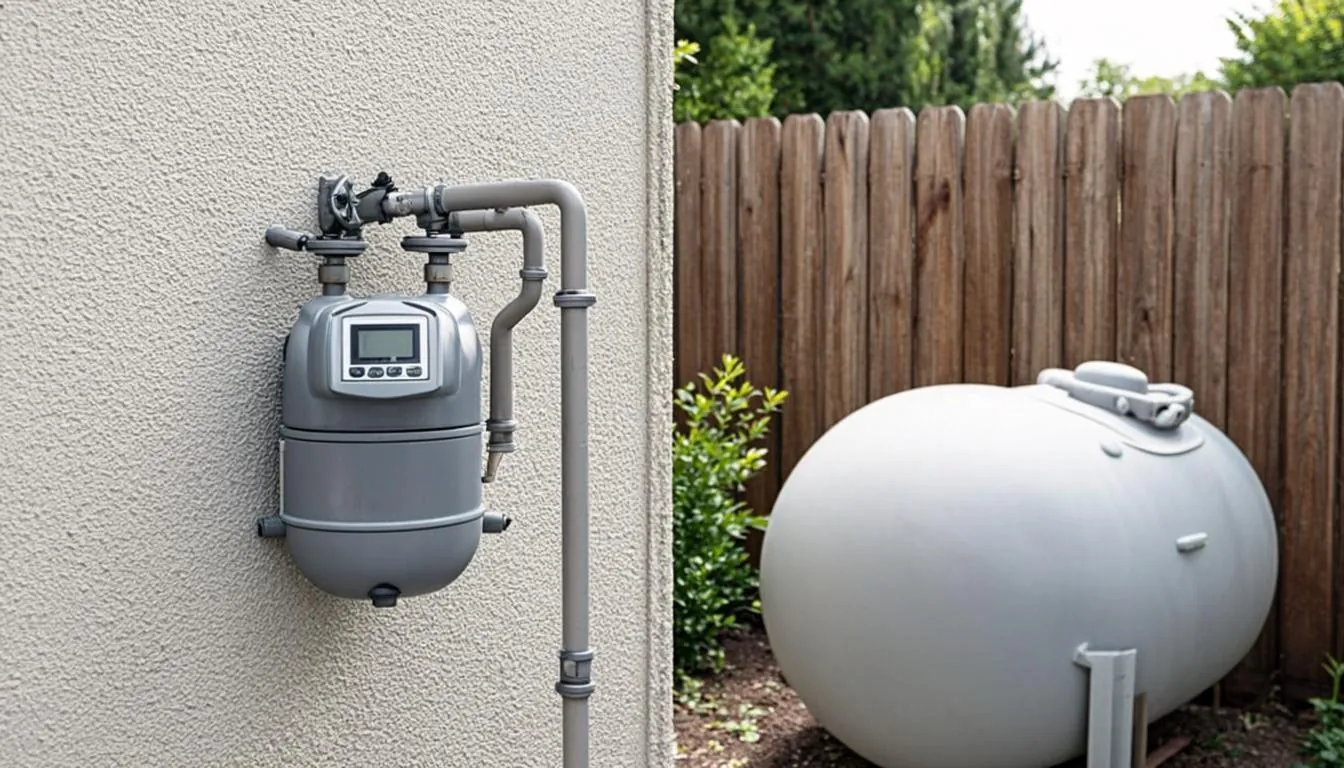
Fuel is the decision that shapes every other decision in a standby generator installation: the sizing, the placement, the permit scope, and what an outage feels like on day three. Florida homeowners usually choose between two paths, the natural gas line and the propane tank, and the honest answer is that the property picks the winner more often than the brochure does. Here is how the two fuels actually differ.
How Natural Gas Standby Generators Work
A natural gas generator connects to the utility's gas line through a dedicated supply with its own shutoff. The fuel arrives continuously: the generator draws from the utility supply for as long as the outage lasts, with no tank on site and no refills to schedule. The installation's fuel-side work is pipe sizing and connection, matched to the generator's consumption at its rated load.
How Propane Standby Generators Work
A propane generator draws from a tank on the property, either a tank owned with the equipment or one supplied by a propane provider under its own agreement. The tank stores fuel as liquid and releases it as vapor to the engine. The fuel-side work is tank sizing, placement, and the regulator and piping between tank and generator, plus the ongoing logistics of refills.
Natural Gas vs. Propane: Key Differences
Fuel Availability
Natural gas is a property feature: either the gas main reaches the address or it does not, and no amount of preference changes that. Propane is available everywhere a truck can drive, which makes it the default wherever the gas main stops short of the property line.
Fuel Storage
Natural gas stores nothing on site; its reserve lives in the utility's system. Propane stores exactly what the tank holds, and the tank's size is the outage length the fuel side can support. Tank sizing is therefore a planning question, not a detail: the expected operating load and the realistic refill schedule set the gallons.
Generator Output
Many standby models are factory-rated for both fuels, and on some units the output differs slightly between them, with propane slightly ahead or behind depending on the model. The generator's rating on the fuel you actually choose is the number that belongs in the load comparison, and the manufacturer's dual-fuel documentation states both.
Fuel Supply During Extended Outages
This is where the two fuels feel different in a hurricane. Natural gas keeps flowing through the utility's lines, subject to the utility's own storm performance. Propane keeps flowing from the tank until it empties, and then refill logistics take over: provider scheduling, road access, and demand spikes across the region all affect how fast a tank refills after a storm. Households on propane plan for that by sizing storage to ride out the gap between refills.
Installation Requirements
Gas-fired installations add pipe sizing and any utility coordination to the electrical permit scope. Propane installations add tank placement, which carries its own clearance thinking: distance from openings and ignition sources, pad or base, and access for the refill truck. Fuel piping may require its own permit depending on the jurisdiction, which is why the fuel scope is planned with the electrical scope, not improvised after the generator arrives.
Does Your Property Have Natural Gas Service?
Check before shopping for equipment. If the address has gas service, note the meter size, because the generator's consumption has to fit the supply the meter delivers alongside the rest of the household's gas equipment. If it does not, the propane path is decided for you, and the remaining question is tank size and placement.
When Is a Propane Tank a Better Option?
Propane wins wherever gas service does not reach, and it wins on philosophy for households that want their reserve on site: a full large tank is fuel the utility's storm performance cannot affect. It also suits properties where the gas appliance list is small and the generator would be the only meaningful gas consumer anyway.
When Natural Gas Is the Better Option
Where service exists, gas removes refills from the outage equation entirely, and with them the day-four anxiety that tank owners manage around. For long multi-day outages, continuous supply is a genuine operational advantage, and households that already run gas appliances often prefer one fuel relationship over two.
What Should Be Checked Before Installation?
Three things, in order: whether the property has gas service and what its capacity is; what the local permitting rules require for the fuel scope, which varies by jurisdiction; and how the tank or gas connection sits in the site plan relative to clearances, openings, and refill access. Our generator installation service verifies all three during the site evaluation, and the estimate states the fuel path in writing with the reasoning.
Which Fuel Does Your Property Support?
One site visit answers it: gas availability, tank placement, and the full plan in writing.