When to Call an Emergency Electrician (and What Can Wait)
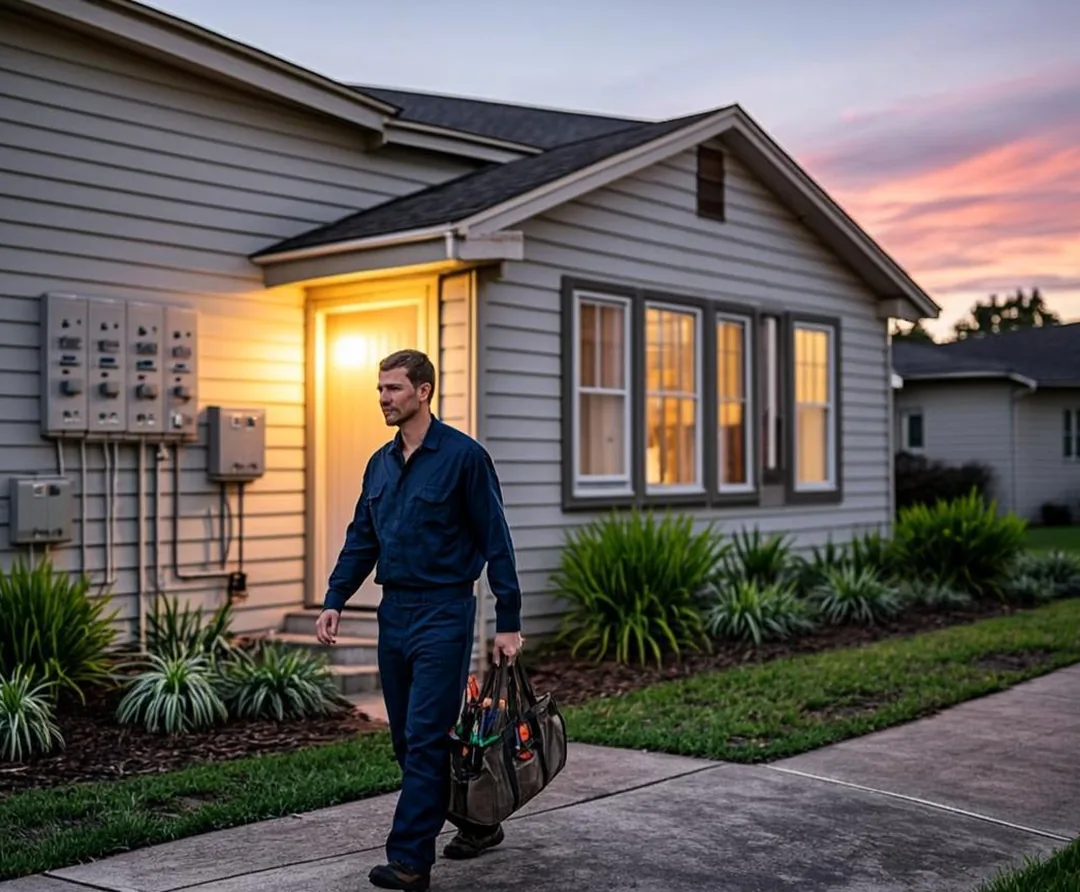
Our phone line answers around the clock, and the calls that arrive at two in the morning usually share one trait: the homeowner was not sure whether their situation counted. Emergency electrical service exists for a narrow band of situations where waiting creates real risk of fire or shock, and knowing the band turns a frightening night into a managed one. This guide draws the line as clearly as words can, symptom by symptom, with the caveat that doubt itself is a legitimate reason to call and describe what you are seeing.
Call Immediately: Burning, Smoke, or Scorch Marks
A burning smell with no obvious source, smoke from an outlet or switch, discoloration or scorch marks on a plate, or a melted cord end are the signature of arcing or overheating, an active fault that is already doing damage. Do not wait to see whether it recurs. If smoke is present and growing, treat it as a fire: get people out and call 911 first, then the electrician. A medical device in the home raises the stakes of every item on this page, power it from elsewhere if it can be, and say so when you call.
Call Immediately: A Panel That Is Hot, Buzzing, or Humming
An electrical panel should be silent and room-temperature. A panel face warm to the touch, a buzzing that was not there last week, or a crackle from behind the dead front points to failing connections or an overloaded breaker inside the equipment. The progression in our guide to electrical panel warning signs runs from subtle to urgent, and heat plus sound together sit at the urgent end. Stand clear of the equipment and make the call; do not open the panel and do not lean on the main breaker as a troubleshooting experiment.
Call Immediately: Water Meets Electricity
Floodwater reaching panel or meter equipment, a roof leak dripping near fixtures, storm surge in a garage with subpanels, or an appliance that fell into water while energized, all of it is shutdown-and-call territory. Corrosion and unseen paths make wet equipment unsafe to re-energize even after it looks dry. Coastal and flood-zone homes in our service area know the drill after named storms; the same discipline applies to a one-inch leak from a water heater upstairs.
Call Immediately: Storm Damage and Downed Lines
After a storm, lines on the ground or sagging across a yard are a utility emergency first: report them to the power company, keep everyone far away, and never attempt to move anything touching them. Where the damage stops at your property, a riser torn from the meter, a service mast bent by a limb, the house's side of the connection needs an electrician before the utility will re-energize. Storm-driven surges also leave damage behind restored power; a panel that starts misbehaving after the lights come back is a legitimate same-day call.
Call Right Away: Outage and Trip Patterns That Point to Your Equipment
Two patterns earn a prompt call even without smoke or sound. First, a whole-house outage while the neighbors still have power, which isolates the fault to your service, meter, or main equipment. Second, a main breaker that trips repeatedly and refuses to hold, the situation our guide to breakers that won't reset walks through, where the reset-and-hope cycle is itself a risk. Repeated trips on one circuit are usually routine; the main breaker failing repeatedly is a different animal.
What Can Wait Until Business Hours
Most electrical annoyances are not emergencies. A single breaker that tripped once and resets cleanly, an outlet that stopped working while its neighbors stayed live, occasional flicker when the AC starts, a planned EV charger or remodel scope, none of these needs a midnight dispatch, and a calm daytime visit produces better work than a rushed one. Diagnosis beats guesswork: our guide to overloads, shorts, and ground faults explains what each pattern usually means, and our breaker panel repair service handles the daytime version of every item in this section.
What an After-Hours Call Actually Looks Like
When the phone rings at night, the first minutes are triage: what you smell, hear, or see; whether anything is hot, wet, or sparking; whether anyone's safety depends on the equipment, medical devices above all. The caller gets immediate shutdown guidance where it applies, and the crew dispatches with the parts the description makes likely. The repair scope gets stated before work proceeds, because even at three in the morning, an informed homeowner is the goal, and the 24-hour line exists precisely for everything that cannot wait for morning.
The Habit That Prevents Most of This Page
Almost every emergency on this list has a quieter predecessor: a breaker that tripped occasionally, an outlet that felt warm once, a faint buzz nobody assigned importance to. The homeowner habits in our maintenance-oriented guides, from the generator schedule to the panel checks above, exist to catch those predecessors during business hours. Keep our number with the family's storm plan; the best emergency call is the one a checklist prevented.
Emergency Electrical Service Questions
What counts as an electrical emergency?
Anything with fire or shock potential in progress: burning smells or smoke from electrical equipment, a hot or buzzing panel, water reaching electrical equipment, storm damage to the service, or a main breaker that repeatedly fails to hold. Doubt is a valid trigger too; describe the symptom on the phone and let triage decide.
Is a tripped circuit breaker an emergency?
Usually not. A breaker that trips once and resets cleanly is normal protection doing its job. It becomes urgent when the main breaker trips repeatedly, when the trips come with heat, smell, or sound, or when resetting it produces the same result immediately, patterns our breaker guides help you distinguish.
What should I do while waiting for the electrician?
Keep people away from the equipment in question, avoid resetting or re-energizing anything that smelled, sparked, or got wet, and unplug sensitive electronics from affected circuits if it is safe to do so. If smoke is growing or anyone smells gas, leave the house and call 911 first.
Dealing With One of These Right Now?
Our phone answers 24 hours. Describe what you are seeing; we triage on the call and dispatch from Fort Pierce.