What Does It Mean When a Circuit Breaker Won't Reset?
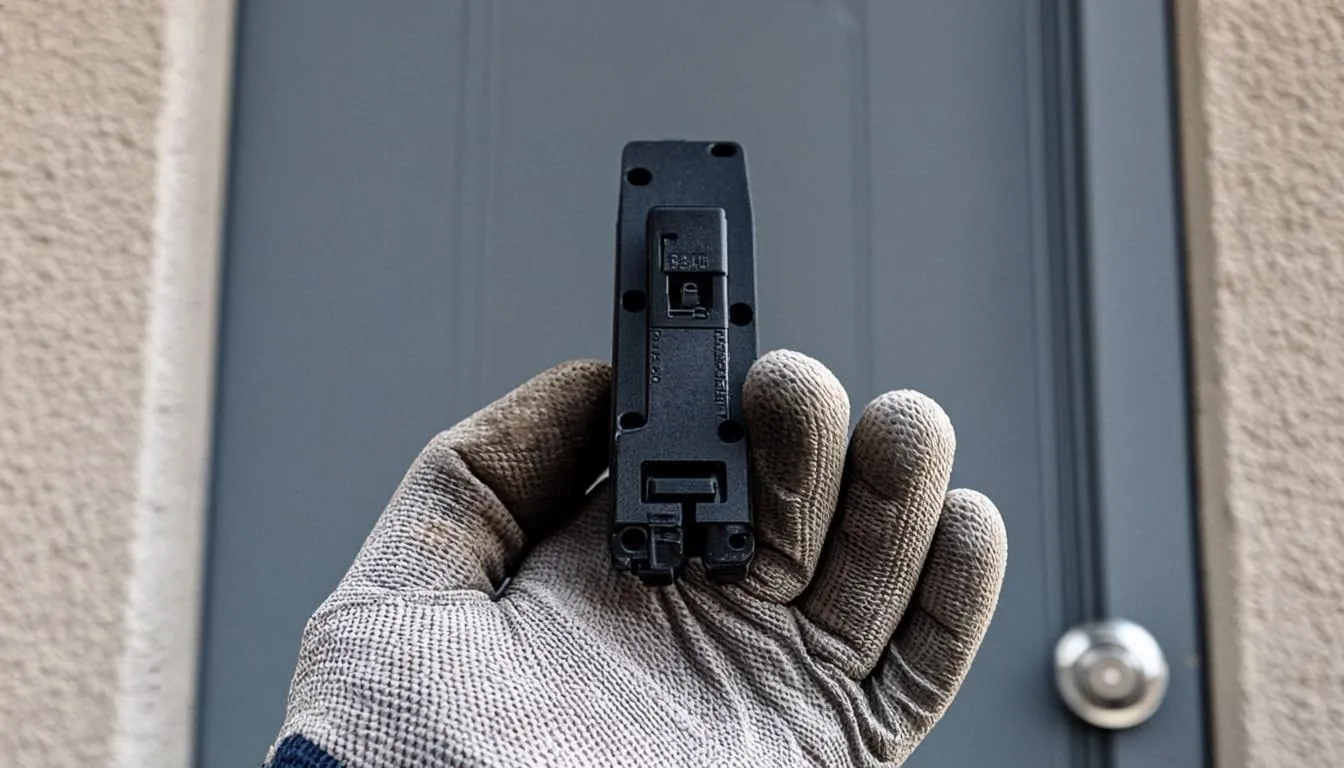
A tripped breaker that resets is a non-event. A tripped breaker that will not reset is a message, and the message is always the same one: the condition that tripped me still exists. This guide explains what the mechanism is actually doing, what refuses it, and where the line sits between a breaker problem and a circuit problem.
How a Circuit Breaker Reset Mechanism Works
A breaker's handle does two jobs at once: it switches the circuit and it senses current. When the handle trips, the internal mechanism has latched open, disconnecting the circuit. Resetting means re-latching the mechanism closed, and the breaker will only re-latch if its internal condition allows it, which is by design. The refusal to reset is a protection feature working exactly as built, not a stuck switch to be forced.
Common Reasons a Breaker Will Not Reset
The refusals sort into a short list. The fault is still present: whatever overload, short, or ground fault tripped the breaker is still on the circuit, so every reset attempt immediately trips again or the mechanism will not latch. The handle was not fully tripped: some breakers require pushing the handle fully to the off position before it will reset to on, and a partial motion accomplishes nothing. The breaker's internal mechanism has failed, in which case the handle moves but the contacts never close. And the circuit is disconnected downstream, a failed connection or a damaged conductor, leaving the breaker closing into nothing, which shows up as a reset that completes but delivers no power.
The Difference Between a Tripped Breaker and a Defective Breaker
The behavior pattern tells them apart. A tripped breaker resets once its fault is cleared, holds, and carries its load normally afterward. A defective breaker misbehaves with no fault to explain it: it trips at low or no load, it will not latch even with the circuit disconnected, it feels hot with nothing running, or it resets and immediately carries nothing. The first pattern points down the circuit; the second points at the breaker itself, and replacement, not another reset attempt, is the answer.
How Short Circuits and Ground Faults Affect Resetting
Overloads clear politely: remove the load, reset, done. Short circuits and ground faults do not, because the fault is in the wiring or a device, not in the usage. A reset attempt against a live short drives the full fault current through the breaker instantly, tripping it again, and repeated attempts against a short are repeated abuse of the breaker and the conductor it protects. One reset attempt after unplugging everything is reasonable; a second means the fault is fixed in the walls or the device, and that is electrician territory.
When a Breaker or Electrical Circuit Needs Inspection
Three patterns call for an inspection rather than more resetting. A breaker that trips again with everything on the circuit unplugged is reporting wiring trouble. A breaker that feels hot, buzzes, or shows scorch marks is reporting equipment trouble, and it should stay off until inspected, per the same rules as our guide to panel warning signs. And a circuit that repeatedly trips under normal, unchanged usage has a fault that needs diagnosis, because the trips themselves are evidence accumulating.
When to Consider Panel Replacement
One refusing breaker usually means one new breaker. A panel where breakers refuse in sequence, where mechanisms have aged out, where bus bar damage is found behind a failed breaker, or where the brand's history makes every future breaker a compatibility question, is a panel reaching the end of its serviceable life. That call belongs to the inspection: our breaker panel repair service diagnoses the circuit first and the panel second, and the recommendation, one breaker, several, or the panel, follows the findings.
One instruction worth its own paragraph: do not keep resetting. A breaker that has refused twice has said everything it can say; every further reset attempt tests the wiring's insulation with fault current. Leave it off, note what was running, and make the call.
Breaker Refusing to Reset? Stop Resetting.
Leave it off and call us. The diagnosis costs less than the damage a forced reset risks.