Why Does My Circuit Breaker Keep Tripping?
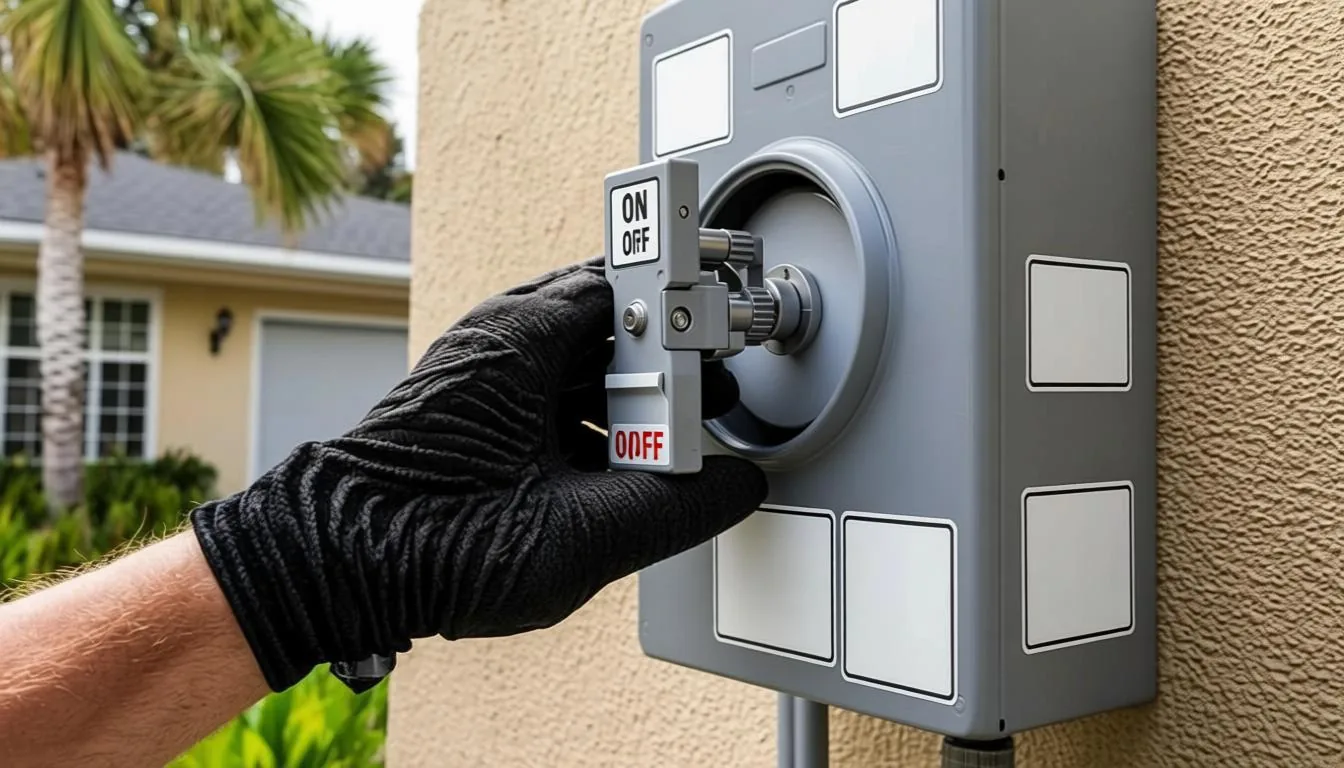
A tripping breaker is a complaint we hear weekly in Fort Pierce, and the frustration is understandable: the switch resets, the appliances start again, and by the weekend the same breaker trips again. The repetition is the message. Breakers trip for four reasons, and the pattern of the trips usually tells you which one before any testing begins.
Cause One: An Overloaded Circuit
The overload is the everyday villain. Too many appliances draw current on one branch circuit, the total crosses what the breaker allows, and the breaker trips to protect the wiring from heating. The signature pattern is predictable: the trip happens while specific equipment runs, and resetting the breaker restores everything until the same combination runs again.
Space heaters, hair dryers, kitchen appliances, and older homes where the kitchen, bathroom, and laundry share circuits produce most overloads. The lasting fix is not a bigger breaker, which would defeat the protection; it is redistributing the load or adding a dedicated circuit for the equipment that causes the crowding.
Cause Two: A Short Circuit
A short is more urgent. Damaged insulation lets current bypass the load entirely, taking the shortest path between conductors, and the breaker responds with an immediate, often audible trip. The signature is the hard trip that happens the instant the circuit is energized, regardless of what is plugged in.
Shorts live in damaged cords, pinched wiring behind furniture, and connections that failed inside fixtures. Finding the point of contact requires systematic testing, and the damaged section gets repaired before the circuit returns to service.
Cause Three: A Ground Fault
Current escaping to ground through damaged insulation or moisture trips the same protective devices, and in Florida the moisture angle matters. Outdoor circuits, bathroom wiring, and anything near the coast see ground faults more often than dry-climate homes, and modern GFCI protection trips these faults deliberately and quickly.
The signature is a trip that follows rain, humidity spikes, or appliance use in wet locations. Ground faults deserve prompt attention, since the leakage path that trips a breaker today can become a shock hazard tomorrow.
Cause Four: A Worn or Defective Breaker
Breakers are mechanical devices with moving parts, and they wear. Weak internal springs, damaged contacts, and age-hardened mechanisms produce trips without a real fault, or worse, fail to trip when a genuine fault arrives. The signature is a breaker that trips on ordinary loads that neighbors' identical breakers carry without complaint, or a breaker that feels loose in its mount.
Replacement with a compatible part solves it, with one important check first: the panel's brand and series must still have compatible breakers available. Some obsolete panel lines do not.
When Tripping Means Something Bigger
There is a fifth pattern worth naming: every breaker in the panel seems to trip, or the main breaker itself intervenes. That pattern points at the service rather than a branch circuit, and it is where the capacity conversation begins rather than ends. If your panel shows that pattern, the panel inspection on our breaker panel repair service is the right next step, and the panel upgrade service covers the capacity conversation that sometimes follows.
What Not to Do
Three habits make tripping worse. Resetting the same breaker daily without investigating teaches nothing and risks the wiring. Replacing a breaker with a larger rating to stop the trips removes the protection the wiring depends on. And taping over a tripping breaker, which we have genuinely seen, converts an electrical fault into a fire investigation.
Breaker Tripping FAQs
Is it dangerous to keep resetting a tripping breaker?
Repeatedly resetting a breaker without diagnosing the cause risks the wiring the breaker protects. One reset is reasonable; the second deserves investigation.
Can I replace a tripping breaker myself?
Panel work carries live-bus hazards even with the main breaker off, and compatibility matters. We recommend leaving breaker replacement to an electrician.
Why does the same appliance always trip the breaker?
Either that appliance's load alone exceeds the circuit's rating, or the appliance has an internal fault. Testing the appliance on another circuit separates the two.
Do breakers wear out?
Yes. They are mechanical devices, and years of interruptions wear their internal mechanisms. A breaker that trips without a real fault, or fails to trip on a real one, has finished its career.
Keep Reading
Stop Resetting and Start Diagnosing
Our diagnostic visit tests the circuit, names the fault, and quotes the repair in writing.