Inverter Generator vs. Standby Generator: Which Fits a Florida Home?
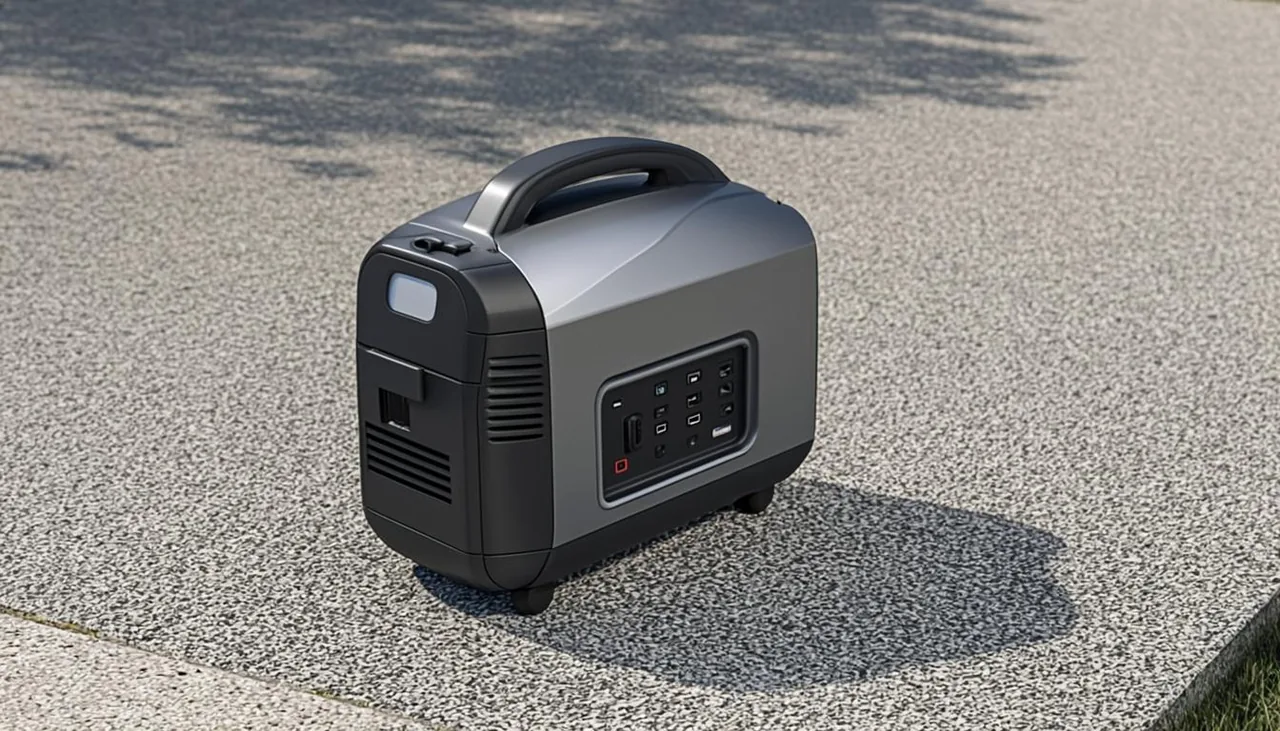
Backup power conversations in Florida usually collapse into standby versus portable, and the portable side of that argument has quietly split in two. Standard construction generators and inverter generators sell side by side, sound similar, and behave very differently. If your outage plan involves electronics, medical equipment, or any hope of quiet operation, the difference matters. Here is what an inverter generator is, where it beats a conventional portable, and where the math still sends Florida homeowners to a standby system.
What an Inverter Generator Is
Inside an inverter generator, the engine drives an alternator that produces high-frequency AC, which is converted to DC and then inverted back to AC at a precise frequency and voltage. That extra conversion step is the entire point: the output is a clean, stable sine wave with low total harmonic distortion. Utility power has that stability; conventional portable generators approximate it. Sensitive electronics, modern appliances with control boards, medical devices, and anything with a computer inside prefer the inverter's output.
The conversion also lets the engine throttle with the load. Run a few loads and the engine quiets down; the fuel savings are real, and the noise difference, often in the range that lets you hold a conversation beside it, is the second reason inverter units dominate campgrounds and neighborhoods alike.
Where an Inverter Beats a Conventional Portable
Three properties separate the categories. Power quality: the clean sine wave makes inverters the safe choice for electronics and control-board appliances. Fuel economy: engine speed tracks load instead of running flat out, stretching a tank meaningfully during long outages. Noise: an inverter running at part load is dramatically quieter than a conventional portable at any load, which matters in dense Florida neighborhoods where every generator on the street runs at once.
Where the Wattage Ceiling Bites
The trade is capacity. Inverter units cluster in the low kilowatt range: enough for refrigeration, lighting, fans, phone and computer chargers, internet equipment, and a window air conditioner in the larger models. Central air conditioning is out of reach; compressor starting surges exceed what these engines deliver, and no amount of clean power changes that. A well pump, an electric range, and an electric water heater also sit beyond the practical ceiling. The honest framing: an inverter generator runs the essentials beautifully and nothing heavy.
Connecting One to the House: Same Rules as Any Generator
The clean power does not change the connection rules. Getting inverter power into the house safely still means a professionally installed inlet and switching equipment, a manual transfer switch or interlock, so generator power and utility power never meet. Backfeeding through a wall outlet or a dryers cord remains as dangerous with a quiet inverter as with a loud construction generator. The hardware that makes the connection legal and safe lives on our transfer switch installation page.
So Which One Fits a Florida Home?
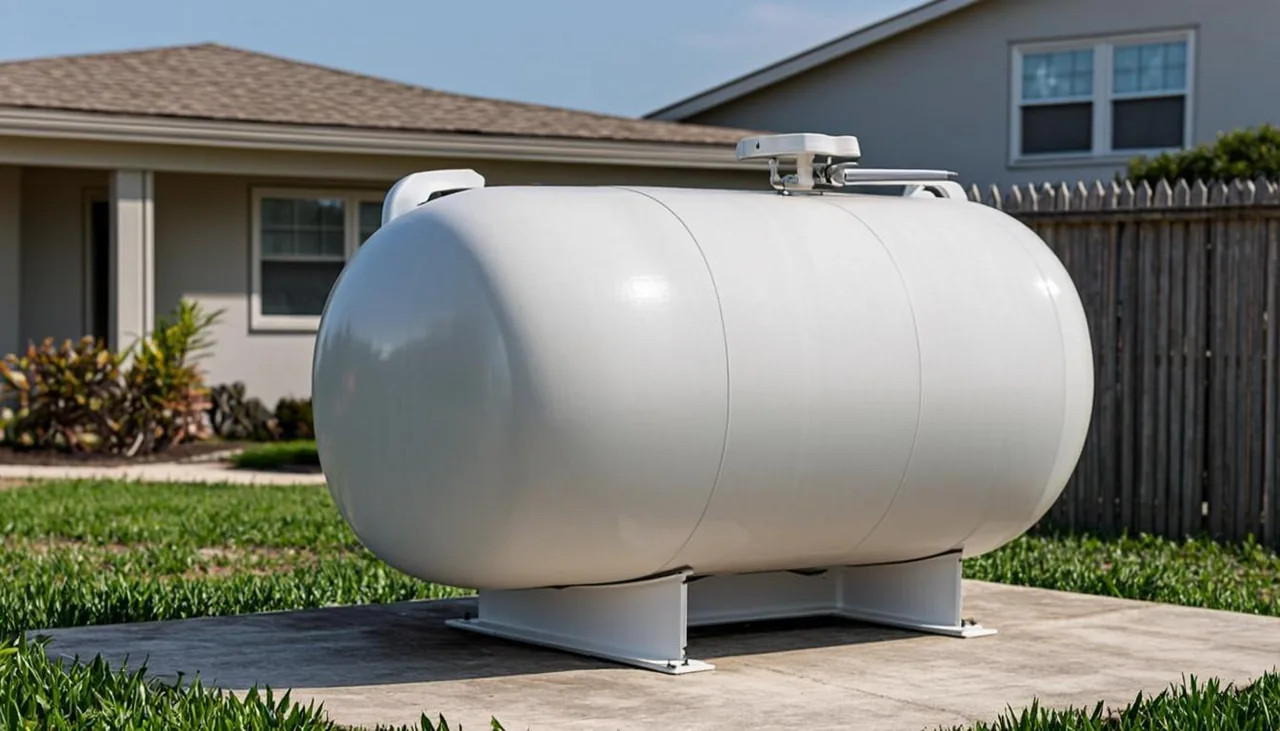
If your outage plan is essentials-only, if someone in the house depends on electronics or medical devices, if you can refuel on a schedule, and if budget caps the project, an inverter generator with a proper house connection is a genuinely good answer. If the plan includes air conditioning through a Florida summer outage, whole-house coverage, or a house that must protect itself while the family is away, the standby conversation continues on our generator installation page, and the sizing method behind it is our generator sizing guide.
Inverter Generator FAQs
Can an inverter generator run central air conditioning?
No. Central AC compressors demand starting surges beyond what inverter units produce. Larger models may run a window unit or a small mini-split; central systems belong in the standby conversation.
Is an inverter generator better than a standard portable generator?
For power quality, fuel economy, and noise, yes. For raw wattage per dollar, no. The right choice depends on whether your load list is electronics and refrigeration or well pumps and air conditioning.
How long can an inverter generator run a refrigerator?
Longer than a conventional portable, because the engine throttles down between compressor cycles. Actual run time depends on tank size and the refrigerator's duty cycle; manufacturer figures assume specific loads.
Do I still need a transfer switch for an inverter generator?
Yes, for any house connection. Inlet, switching equipment, and a professional installation apply to every generator that feeds home circuits, regardless of how clean its power is.
Planning Backup Power Around Your Real Loads?
We size, connect, and permit generators of every type across Fort Pierce, including safe house connections for portables.