How to Choose the Right Transfer Switch for Your Generator
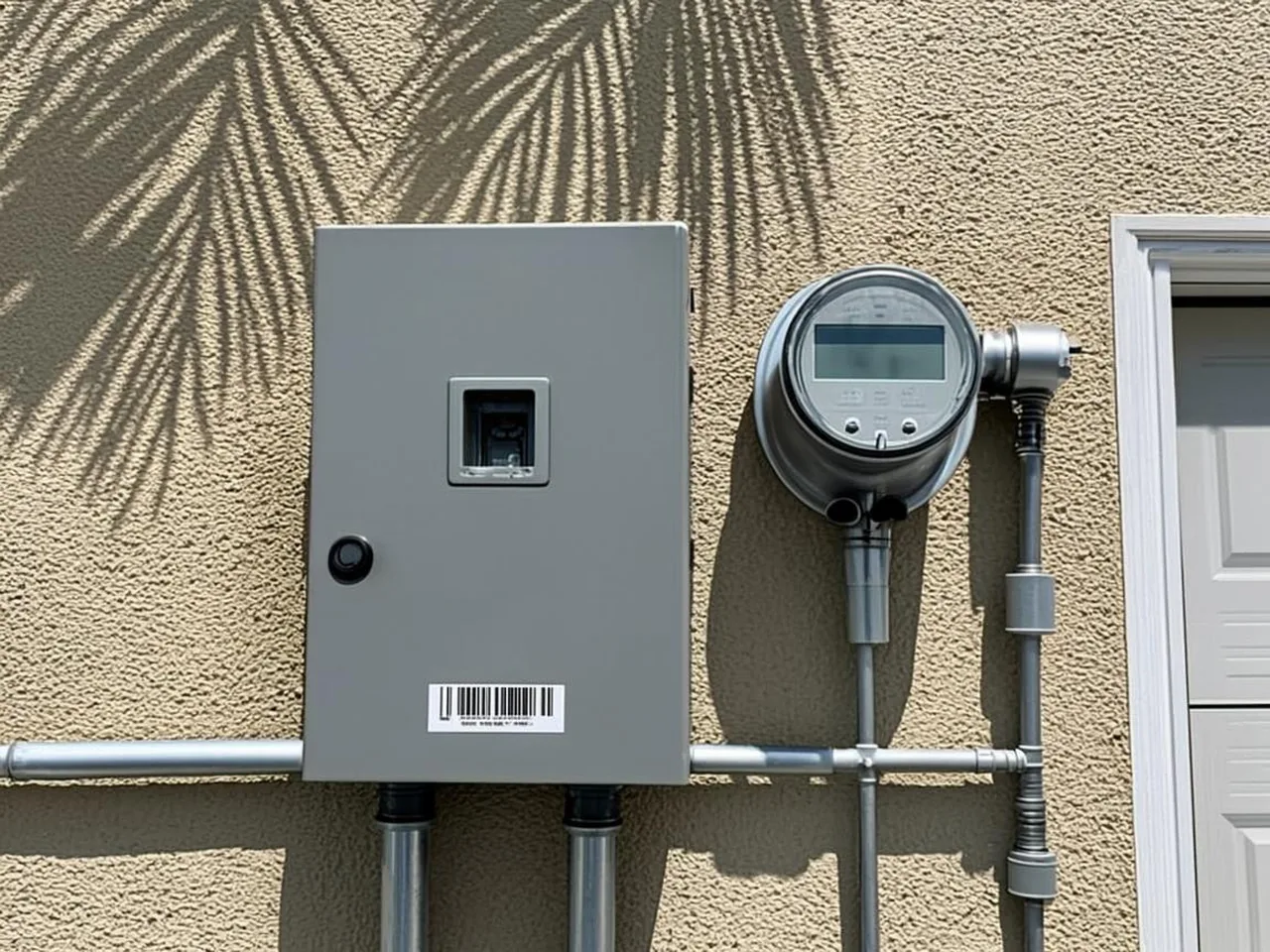
A transfer switch is chosen by arithmetic, not by brand loyalty. The switch sits between the two most powerful electrical systems a household owns, the utility service and the generator, and its ratings decide whether it carries that position for decades or becomes the weakest link in the outage plan. Here is the selection logic, in the order a real electrician runs it.
Understand Generator Output and Transfer Switch Ratings
Every switch carries an amperage rating, and the first check is the simplest: the switch's rating must meet or exceed the generator's output it will carry. A switch undersized for the generator is a fuse in a nicer box; the protection trips or, worse, the switch lives at its ceiling through every outage. The rating conversation works both directions: whole-house switches are sized to the service, generator-side switches to the generator's rated output, and the nameplates of both machines settle the numbers before any shopping happens.
Match Voltage and Phase
Residential power in Florida is 240-volt, single-phase service, and virtually every residential generator and transfer switch shares that configuration, so the mismatch risk is low, but the check still runs: the switch's voltage and phase ratings must match both the service and the generator. The mismatch matters more for the households that own the exceptions, unusual services or specialty equipment, where assuming sameness is how expensive parts get purchased twice.
Select Whole-House or Essential-Circuit Transfer
The biggest structural choice is what the switch transfers. A whole-house switch, service-rated and sized to the full service, moves everything, pairs with a generator sized for the home's calculated demand, and is the standby-generator standard. An essential-circuit switch carries a selected list, refrigeration, lights, well pump, chosen circuits, and pairs with a smaller generator. The decision belongs to the load calculation and the household's outage philosophy, both covered in our guide to whole house versus essential circuit backup; the switch follows that decision rather than leading it.
Check Electrical Panel Compatibility
The switch must integrate with the panel it meets: physically, in the space beside or below the load center; electrically, in the conductor routes between service, switch, and panel; and mechanically, in the enclosures and grounding that tie the installation together. Most panels accept a transfer switch cleanly, and the exceptions, cramped utility rooms, unusual panel brands, older services, are exactly why the compatibility check happens on site before the equipment order, not after delivery.
Understanding Service-Rated Transfer Switches
A service-rated switch is rated to stand between the meter and the house as the service disconnect, carrying the full service through itself. Whole-house standby installations typically use one, which can simplify the service equipment arrangement by absorbing the disconnect role. Non-service-rated switches live downstream of an existing disconnect and carry only the circuits they feed. The distinction decides where the switch physically sits and which permits it rides under, and it is why the service-side details get settled in the design, not discovered at inspection.
Automatic Transfer Switch Controller Compatibility
For standby generators, the switch and the generator's controller must speak the same language: start signals, exercise schedules, load-shedding commands where load management is part of the plan. Mixed-brand installations sometimes work, and sometimes spend the outage flashing error codes; the manufacturer-matched pairs are engineered together, and deviations from matching deserve an electrician's verification rather than an optimism assumption. Our generator installation service pairs controller and switch as one design decision.
What an Electrician Checks Before Installation
The pre-installation checklist compresses everything above into one visit: the generator's output and connection type; the service's size and the panel's brand, condition, and space; the circuit list the household wants backed up; the load calculation against the generator's capacity; the switch's ratings, service-rated or not, against all of the above; and the permit requirements of the jurisdiction the property sits in, which in our region means the city or county that governs the address. The recommendation then names the switch, the configuration, and the reason in writing.
Bring us the generator's model and the panel's history, and the selection lands on paper before any equipment is bought, which is the cheapest possible place for a mistake to be corrected.
Know Which Switch Your Generator Needs?
Send the generator model and the panel details. The written recommendation names the switch.