Why Are My Lights Flickering? Causes Florida Homeowners Should Know
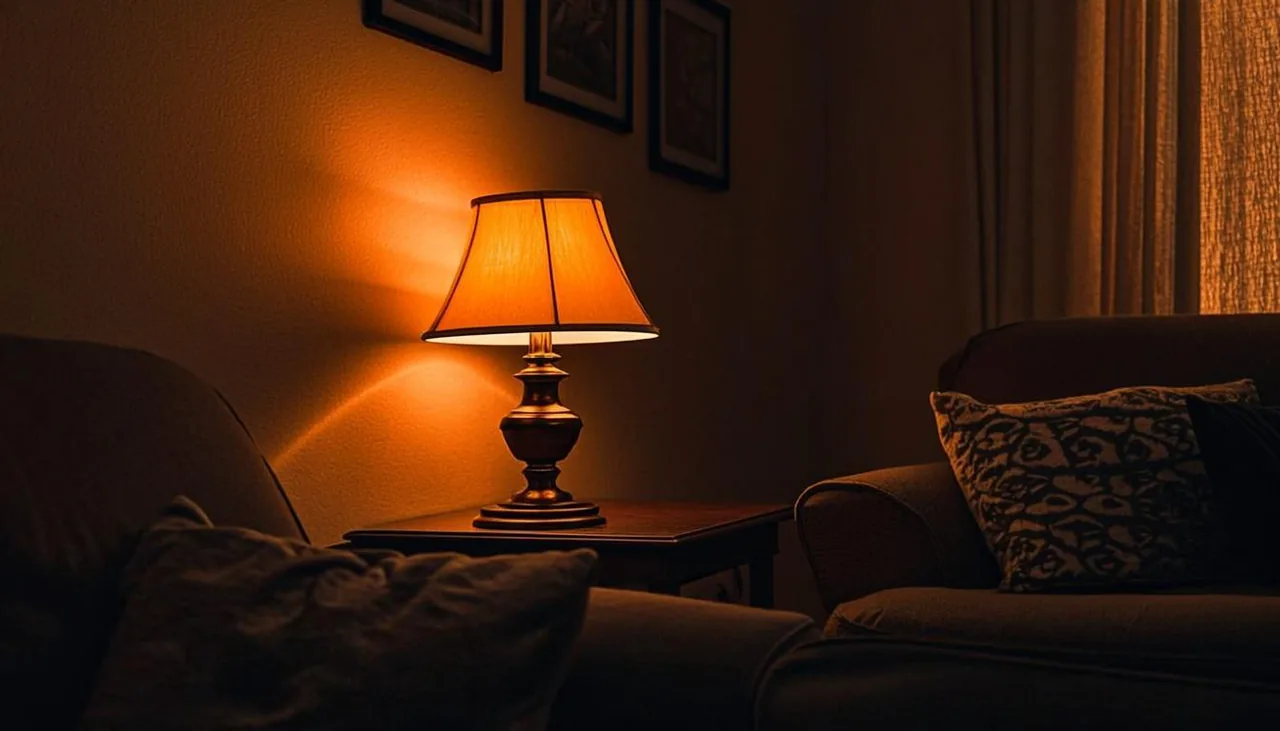
Flickering lights are the most common electrical complaint we hear in Fort Pierce, and the most varied in meaning. Some flicker is a loose bulb. Some is a dimmer arguing with an LED. And some is the visible surface of a wiring problem that deserves attention this week, not someday. The pattern tells you which one you have, and reading that pattern is the first half of any flicker diagnosis.
The Harmless End: Bulbs and Dimmers
Start with the fixture itself. A bulb that is not seated fully flickers exactly like a failing one, so the first check costs nothing: tighten or swap the bulb, ideally with one you know is good. LED bulbs bring their own quirk: many are not designed for the dimmers installed in older homes, and the mismatch shows up as flicker, strobe, or ghosting at low settings. If the flicker only appears when the dimmer is involved, the pairing of bulb and dimmer, not the wiring, is the suspect.
The Ordinary End: Big Appliances Starting
A brief dimming when the air conditioner, the well pump, or the range starts is physics, not fault. Motor starts pull a surge of current, and the voltage dips for the instant the compressor spins up. Every house with central AC has seen this. The dip is worth noting only when it deepens or worsens over time, because a growing voltage drop can point at a loose connection somewhere between the utility drop and the panel, or at a circuit carrying more than it should.
The Serious End: Loose and Failing Wiring
The pattern that deserves a professional visit is flicker that follows no appliance, visits one room or one fixture consistently, or wanders through the whole house. A loose connection at an outlet, a switch, a fixture box, or inside the panel creates resistance, and resistance creates heat. Flicker from a loose neutral is the classic example: the circuit still works, the lights still run, and the connection behind them is quietly cooking. This is the failure mode behind a meaningful share of residential electrical fires, which is why we treat unexplained flicker as a diagnostic priority rather than a quirk.
Panel-side faults land in the same category. A failing breaker, a corroded connection, or a main-lug problem can flicker every load downstream of it. On the Treasure Coast, salt air accelerates corrosion on outdoor equipment and meter connections, which is why whole-house flicker in a coastal home starts the diagnosis outdoors.
Reading the Pattern Before the Call
Three questions organize the story. Does the flicker follow one big appliance? That is likely an ordinary start-up dip. Is it one fixture, one room? That points at the fixture, its dimmer, or the branch circuit serving that room. Is it the whole house, or rooms on different sides of it? That points upstream, at the panel, the meter, or the service connection, and it is the pattern we want to see soon rather than later. Note the timing and the scope before you call; it saves half the visit.
When Flicker Becomes an Emergency
Flicker combined with any of the following stops being a diagnostic curiosity: a burning smell near an outlet, switch, or the panel; a faceplate or breaker that is warm to the touch; buzzing from the panel; scorch marks or discoloration at any receptacle. That combination means active heating in the wiring, and the right move is the phone call that same hour. Our guide on when to call an emergency electrician draws the full line between what can wait for Monday and what cannot.
The diagnostic itself runs from fixture to panel: bulbs and dimmers first, then receptacle and box connections, then the breakers and lugs, then the service side. If the trail ends inside the panel or at the service equipment, the work moves onto our electrical repair page, and if the panel itself turns out to be the problem, the upgrade path is on our panel upgrade page.
Flickering Light FAQs
Is a brief dim when the AC starts normal?
A short, shallow dip at compressor start is normal motor behavior. A deep dim, a worsening dip over time, or dimming that now includes lights that never dimmed before deserves a connection check.
Can a loose wire really start a fire?
Yes. A loose connection adds resistance, and resistance generates heat at the connection point, sometimes for months, before the visible symptom appears. Unexplained flicker is how loose connections often announce themselves.
Why do my LED bulbs flicker only on the dimmer?
Many LED bulbs are not compatible with dimmers designed for incandescent loads. The fix is either a dimmer rated for LEDs or bulbs rated for dimming; matching the pair usually ends the flicker.
What will an electrician actually check for flickering lights?
The pattern first, then the fixture and dimmer, then receptacle and box connections on the affected circuit, then panel connections, and, for whole-house flicker, the meter and service equipment.
Flicker You Can't Explain?
We trace flicker from fixture to panel and fix the connection behind it.