Can You Replace One Circuit Breaker Without Replacing the Entire Panel?
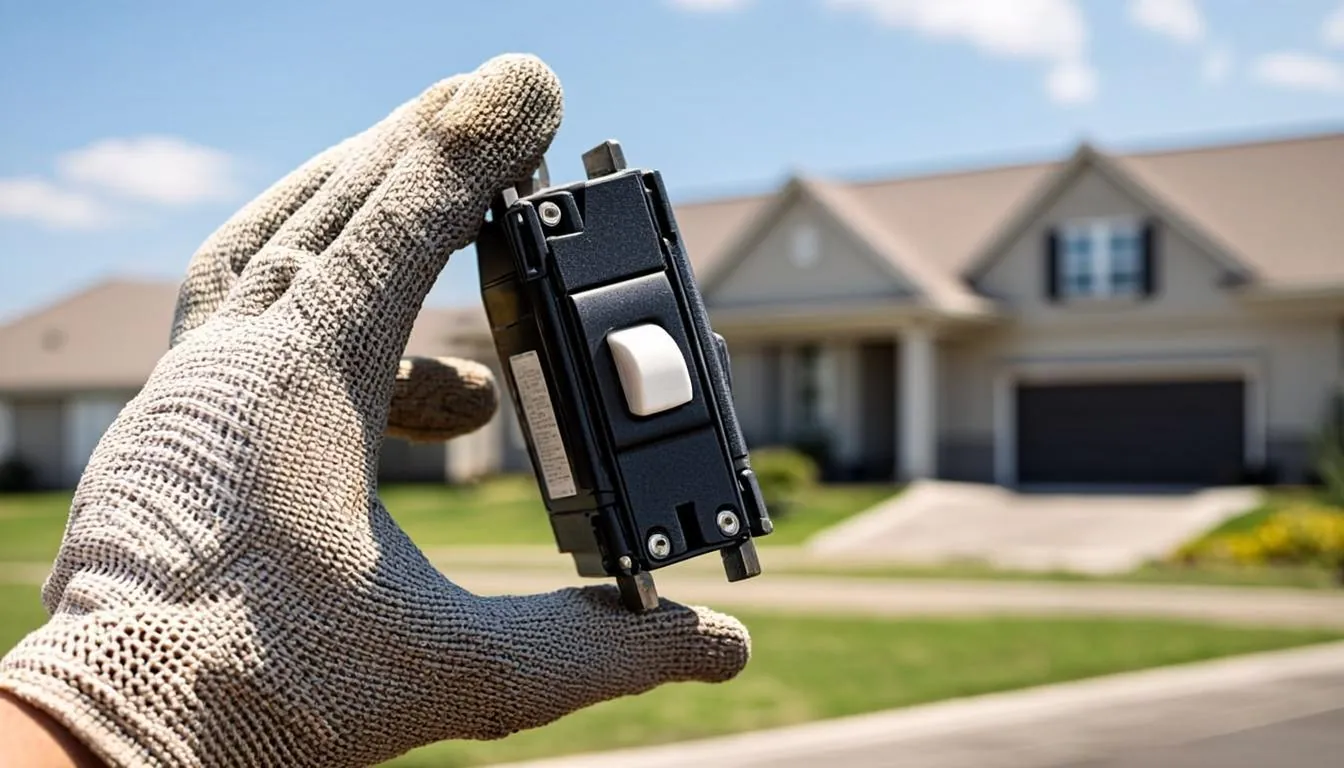
The question arrives mid-repair, usually right after an estimate: does the whole panel really need replacing, or can we just swap the one breaker that is misbehaving? The honest answer is that single-breaker replacement is legitimate, common work, in the right conditions. The conditions are what this guide explains.
When a Single Breaker Can Be Replaced
One breaker can be replaced on its own when three things hold. The breaker itself has failed, evidenced by trips without a load explanation, a mechanism that will not latch, or heat damage on its own terminals. The circuit behind it is healthy: no shorts, no insulation damage, no ground faults hiding downstream. And the panel is healthy: its bus bars, enclosure, and overall condition accept a new breaker safely. Meet all three and the project is a single part and an hour of labor under a permit.
How Breaker Compatibility Is Determined
Breakers are not universal parts. Each load center accepts specific breaker series, listed by the panel's manufacturer as tested and approved for that equipment, and the compatibility question has three layers: the physical fit, whether the breaker seats on the bus stabs correctly; the listing, whether the breaker is approved for this panel model at all; and the rating, amperage and interrupting capacity matched to the circuit it protects. The panel's door label and the manufacturer's current listing documents answer all three, and checking them is part of the job, not optional.
Where compatibility dead-ends, obsolete brands whose breakers are no longer manufactured or listed, the single-breaker project quietly becomes a panel conversation, because a non-listed breaker is not a cheaper alternative, it is an unlisted one.
What Happens When a Breaker Is Not Compatible?
An incompatible breaker may seat loosely, contact the bus poorly, or interrupt fault current outside the equipment's tested combination. Loose seating means heat at the connection, the exact failure mode the new breaker was meant to fix. The inspection dimension matters too: non-listed breaker combinations are code violations that surface at the permit inspection and again at the property sale. Compatibility is not bureaucracy; it is the mechanical and electrical guarantee that the breaker and bus were tested together.
When Bus Bar Damage Changes the Repair Decision
Sometimes the failed breaker was a symptom, not the disease. Heat damage at a breaker's connection often marks the bus stab beneath it: pitted, discolored, or warped bus bars do not accept any breaker safely, new or old. Behind panel covers, corrosion from coastal moisture can do the same quietly. When the bus is damaged, the single-breaker plan ends, because the contact surface the new breaker depends on is the damaged part. The scope becomes panel replacement, and the finding is documented with photos for the homeowner and the permit record.
Breaker Replacement vs. Complete Panel Replacement
The decision compares three factors: condition, compatibility, and arithmetic. Condition, how the panel's bus and enclosure read on inspection. Compatibility, whether the failing breaker's replacement exists and is listed for this panel. Arithmetic, where the load calculation stands, because a panel already at its ceiling makes a like-for-like breaker swap a short-term answer. One factor points to the single breaker; two or more point to the panel, and our panel upgrade service takes over when the answer goes that way.
What an Electrician Checks Before Replacing a Breaker
The pre-swap checklist is short and non-negotiable: the panel's brand and model against the breaker's listing; the bus condition behind the failed breaker's position; the circuit's health with the breaker out, because installing a new breaker onto a faulted circuit just gives the fault a fresh trip mechanism; and the breaker's rating against the circuit's wire size and purpose. All four get checked before the part goes in, and the whole project, one breaker included, rides under a permit and inspection.
If a breaker in your panel is refusing resets or showing heat evidence, our breaker panel repair service will tell you honestly which project you have, one breaker or one panel, with the findings that support the answer.
Keep Reading
One Bad Breaker or One Old Panel?
The inspection tells the difference, and the answer comes with photos and a written scope.