Electrical Panel Upgrade vs. Panel Replacement: What's the Difference?
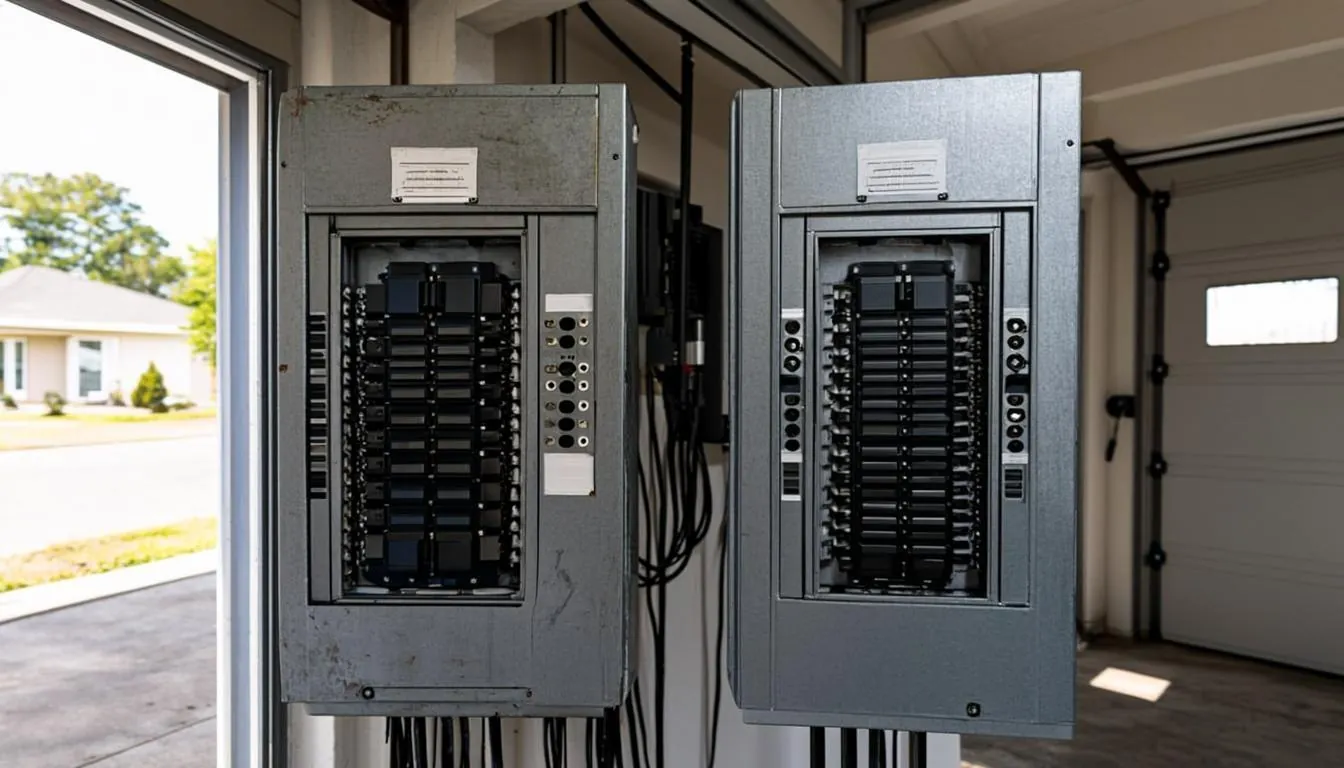
Homeowners hear both terms used interchangeably, and electricians themselves slip between them, but upgrade and replacement describe different projects with different goals, different scopes, and different prices. Understanding the distinction matters most at the estimate stage, where a vague term invites a vague quote. Here is what each word actually means and how the right one gets chosen.
What Is an Electrical Panel Upgrade?
An upgrade increases the service capacity: the defining change is that the home can deliver more current afterward. The classic version moves a 100 amp service to 200 amps, and the scope reaches beyond the panel itself to everything that carries the larger load: the load center, the service entrance conductors, the meter equipment assessment, grounding, and coordination with the utility whose supply has to match.
Upgrades are driven by demand. The household added equipment, an EV, central air, a pool, a workshop, and the calculation says the existing service is the constraint.
What Is an Electrical Panel Replacement?
A replacement swaps the panel equipment without raising the service size: same amps in, new panel delivering them. The old load center comes out, a new one takes its place, and the circuits are re-terminated into clean, compatible breakers. The motive is condition, not capacity: failed breakers, corroded bus bars, an obsolete brand, or physical damage that makes the old panel untrustworthy even at its original rating.
Panel Replacement Without Increasing Service Capacity
Replacement-only is the right call when the panel is the problem and the service is not. A home with a healthy 150 amp service and a failing 20-year-old panel does not need more amps; it needs reliable equipment to deliver the amps it has. Installing a new panel at the existing rating solves the reliability problem at a smaller scope than a full service upgrade, and the inspection record documents exactly that.
The honest caveat: the decision depends on the load calculation, not on optimism. If the household's demand is close to the existing rating, a like-for-like replacement buys a few years, not a decade.
When Does a Home Need a Full Service Upgrade?
Three findings push the project to a full upgrade. First, arithmetic: the load calculation exceeds the current rating, with or without planned additions. Second, physical: the service entrance conductors, meter equipment, or grounding are in condition that only a full scope corrects. Third, future-proofing: the household's equipment plans, the EV, the second HVAC system, would crowd a like-for-like panel before it earns back its cost.
Signs an Existing Panel May Need Replacement
Condition problems announce themselves in specific ways: breakers that trip without a load explanation, warmth or buzzing at the panel, visible scorching, corrosion from coastal moisture, breakers that will not re-terminate properly, or a panel brand with a known failure history. Our guide to panel warning signs covers the symptoms in detail; the short version is that heat evidence and corrosion evidence both point to replacement decisions more often than repair ones.
How an Electrician Determines the Right Approach
The decision procedure takes one visit and produces one recommendation. Inspect the panel's condition and the service equipment's condition. Run the load calculation on the household's actual and planned demand. Compare the two findings: condition failures inside a service with adequate capacity point to replacement; capacity shortfalls point to upgrade; both together point to an upgrade scope that replaces the failing equipment on the way to the higher rating.
That recommendation should arrive in writing with the calculation attached, which is exactly the format our panel upgrade service delivers. If a proposal says "upgrade" but describes only swapping the panel at the same rating, the scope is a replacement wearing the wrong name, and the price should match the real scope.
Frequently Asked Questions
Is a panel replacement cheaper than an upgrade?
Usually yes, because the service entrance, meter equipment, and utility coordination stay untouched. The price gap is real but not proportional: the larger scope buys decades of headroom, not just new equipment.
Can a replacement be done without a permit?
No, and you should not want it done without one. Panel work is permit-and-inspection work in every jurisdiction we serve; the inspection is the homeowner's protection that the new panel is terminated correctly.
How long does each project take?
A like-for-like replacement is typically a single day of work once the permit is in hand. A full service upgrade adds utility coordination and inspection steps, so the schedule runs longer even though the on-site work is comparable.
Will replacement fix flickering lights?
Only if the flickering traces to panel problems. Flickering also comes from loose neutral connections elsewhere, utility-side issues, or overloaded circuits, which is why the diagnosis precedes the equipment decision.
Upgrade or Replacement? Get the Honest Answer.
One inspection visit, one written recommendation with the calculation attached.