GFCI Outlets: Where Florida Homes Need Them and Why They Trip
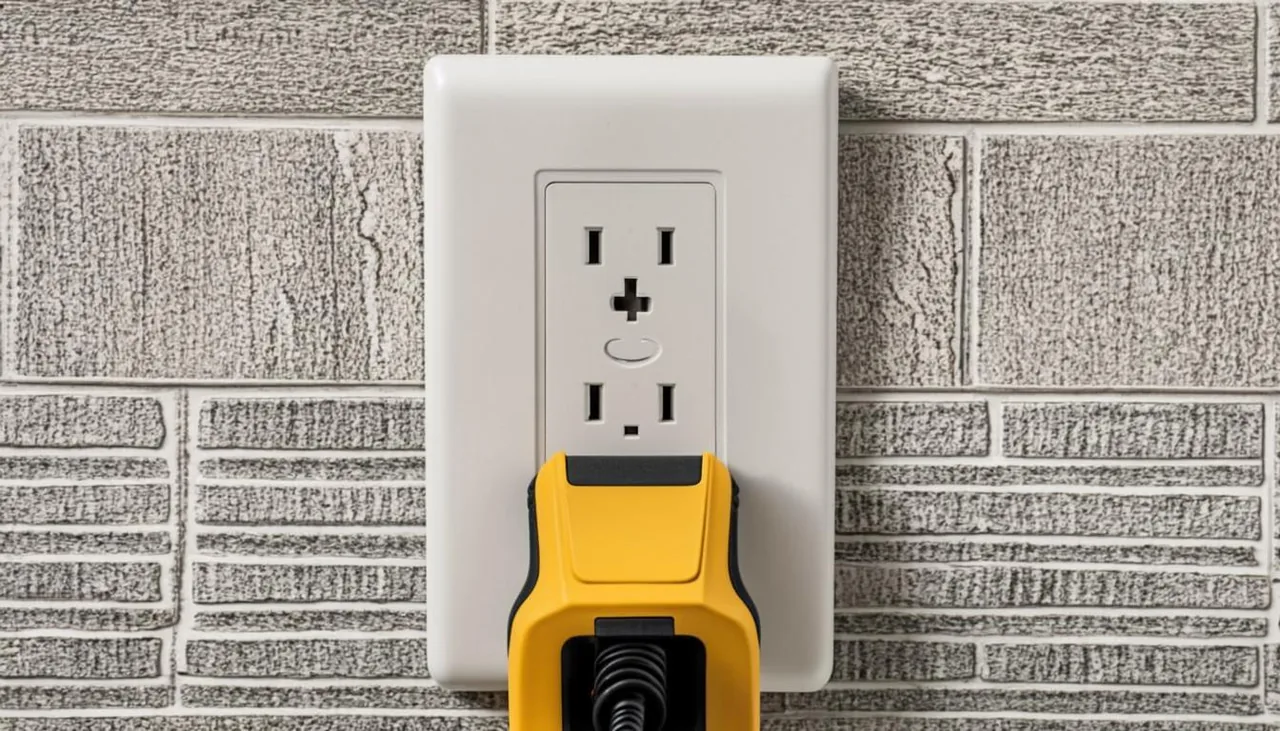
Ground-fault circuit interrupters, the outlets with TEST and RESET buttons, are the single most requested electrical upgrade we get calls about in Fort Pierce, and the most misunderstood. Homeowners trip them by accident, reset them without knowing why they tripped, and assume the old two-prong receptacles in a 1970s house are fine because they have always worked. Here is what a GFCI does, where Florida homes are supposed to have them, and how to read the device when it trips.
What a GFCI Actually Does
A GFCI compares the current leaving on the hot conductor with the current returning on the neutral. When the two do not match, current is escaping somewhere it should not, possibly through a person, and the device opens the circuit within a fraction of a second. That speed and sensitivity are what make it a life-safety device rather than a convenience; a standard breaker protects the wiring, while a GFCI protects the person holding the tool, standing in the wet grass, or plugging in a radio with wet hands.
This is why the code concentrates GFCI protection wherever electricity and water share a room or a wall: kitchens, bathrooms, laundry areas, garages, and everything outdoors.
Where Florida Homes Need Them
The national electrical code has expanded GFCI coverage over the decades, and Florida's electrical provisions follow the national code through the state's building code adoption cycle. Modern requirements include kitchen receptacles, bathroom receptacles, garage receptacles, all exterior receptacles, laundry and utility areas, and locations near pools, spas, and boathouses. Outdoor coverage is the big one for this coast: every receptacle outside the envelope of the house, including the ones feeding lanai outlets, lawn equipment, and holiday lights, belongs on ground-fault protection.
Older Fort Pierce neighborhoods hold plenty of houses built before these requirements existed. A two-prong outlet that has worked since 1978 is not evidence of safety; it is evidence that nobody has been hurt yet. Replacing those receptacles, or protecting the circuits that feed them, is one of the highest-value electrical improvements an older Florida home can receive.
Why GFCIs Trip, and What the Trip Means
A tripped GFCI is reporting something, and the report deserves a moment of attention before the RESET button gets pressed. The causes fall into three groups. First, genuine ground faults: water has gotten into an outdoor box after a storm, a cord has been chewed, an appliance has developed an internal leak to its case. Second, moisture nuisance: coastal humidity and rain driving into outdoor boxes trips GFCIs constantly where the covers are the wrong type or left open. Third, the device itself: GFCIs wear out, and an aging unit can trip on its own or refuse to reset.
The pattern tells you which group you are in. A trip that happens only during or after rain points at moisture in an outdoor box or a weather-rated cover problem. A trip that follows a specific appliance points at that appliance. A trip that happens randomly with nothing plugged in points at the device or the wiring behind it.
Test Discipline: Your Five-Minute Storm Prep Item
Every GFCI has a TEST button, and the device's own instructions ask you to press it monthly, then confirm the power cuts off and RESET restores it. In practice, almost nobody does this until the week before hurricane season, which is exactly the right time: outdoor receptacles that spent a year in salt air and rain need to prove they still trip and reset before you rely on them. A GFCI that will not reset, or trips the moment you press TEST and never comes back, has reached the end of its service life.
Repair or Replace: Where the Electrician Comes In
Swapping a worn GFCI for a new one is a straightforward repair, but the device is wired into a circuit, and the circuit is where the real diagnosis happens. A GFCI that trips repeatedly with nothing plugged in may be protecting a circuit with a damaged buried segment, a wet junction box, or a shared neutral that the previous owner wired creatively. Resetting the outlet answers nothing; measuring the circuit does.
Our repair visits cover exactly this: test the device, test the circuit, correct the wiring or replace the device, and confirm the protection actually works where it is supposed to. If the diagnosis points at bigger problems in the panel or the branch wiring, that path continues on our electrical repair page, and if the house is old enough that most receptacles predate GFCI requirements, the upgrade conversation lives on our panel upgrade page.
GFCI Outlet FAQs
Do outdoor outlets have to be GFCI protected?
Yes. Exterior receptacles are among the locations the electrical code requires to have ground-fault protection, and on the Treasure Coast the combination of rain, humidity, and salt air makes that protection earn its keep.
Why does my outdoor GFCI trip every time it rains?
Rain is getting into the receptacle or the box behind it. Weather-rated covers that stay closed over the plug, or covers with the right rating for in-use conditions, are usually the fix; wet wiring inside the box is a repair call.
Can I replace a GFCI outlet myself?
A handy homeowner can physically swap the device, but the wiring behind it is where mistakes happen, and a miswired GFCI can leave downstream receptacles unprotected while looking fine. We recommend professional installation and testing.
My GFCI trips when nothing is plugged in. What does that mean?
Either the device has worn out or the circuit it protects has a real problem: moisture, damaged insulation, or a wiring fault. That pattern deserves a proper circuit diagnosis rather than repeated resets.
GFCI Tripping, Missing, or Just Old?
We diagnose the circuit behind the device and install protection where Florida homes are supposed to have it.