EV Charger Installation at Home: What Actually Moves the Cost
Every EV owner meets the same surprise: the charger is the cheapest part of the project. A home charging installation is a dedicated 240-volt circuit, a panel with room for it, a wire run through walls and sometimes a garage ceiling, and a permit with an inspection. The printed price on the charger box covers none of that, which is why quotes vary so widely between houses on the same street. Here is what actually moves the number.
The Quote Anatomy
A charging installation has five parts. The equipment: the Level 2 unit itself, 240-volt, whether that is a brand-specific wall connector or a universal unit. The circuit: a dedicated breaker and correctly sized conductors from the panel to the charging location; EV charging is continuous load, and the circuit is sized accordingly. The run: distance matters, and a long path through finished walls, attics, or a trench to a detached garage adds material and labor. The mounting: wall brackets, conduit, weather-rated equipment if the charge point lands outdoors. And the permit: in Fort Pierce this is permitted electrical work with an inspection at the end, and the permit fee belongs in the quote rather than after it.
Panel Capacity Decides Everything
The panel question comes before the charger question. EV charging adds a large continuous load, often the biggest single load in the house after the air conditioner, and the panel needs both physical breaker space and electrical capacity to carry it. That is a calculation, not a guess: the standardized load calculation adds the house's existing demands and checks the result against the service size. Houses with room and headroom proceed straight to the circuit. Houses at their limit have options: a panel upgrade, or load management equipment that sequences the charging around other big loads.
Both paths are mapped in our guide on whether an EV charger requires a panel upgrade, and the calculation behind the decision is explained in our load calculation guide.
The Tesla Wall Connector Question
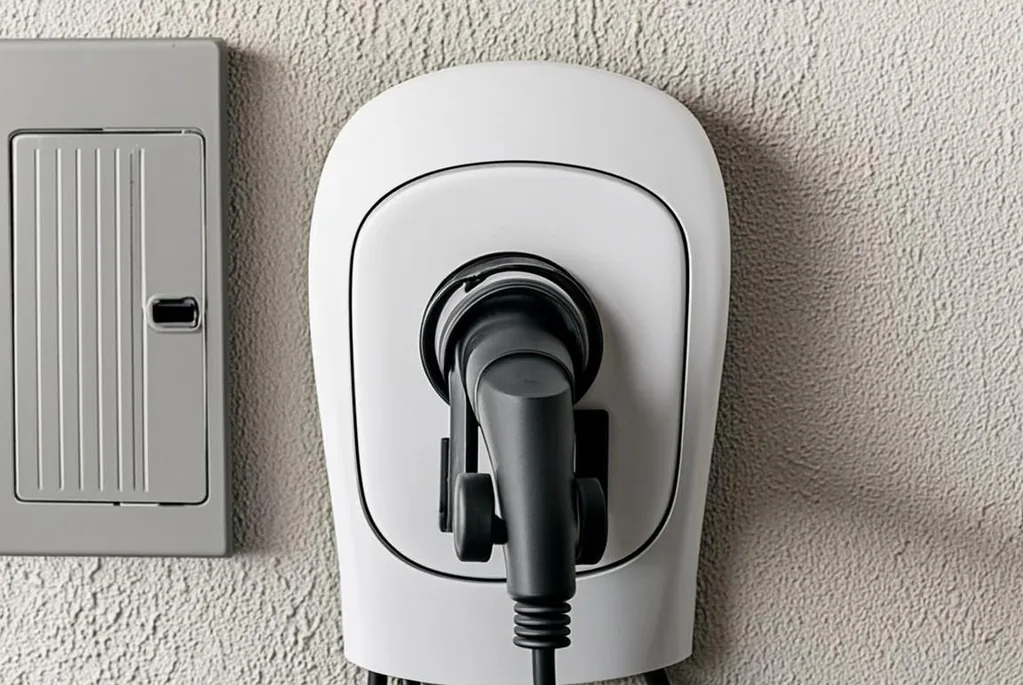
Tesla's home wall connector is the unit most callers ask about by name, and it behaves like any Level 2 charger at the electrical level: a dedicated 240-volt circuit, hardwired or on the appropriate plug configuration, sized per its specifications. What changes by brand is the installation detail, connector compatibility with other vehicle brands, and whether the unit supports load management features that share capacity with the rest of the house. The electrical work underneath any brand is the same trade, which is why the panel calculation, not the logo on the box, determines the project's shape.
Permits and Utility Context in Fort Pierce
Charging circuits are permitted electrical work in Fort Pierce, and the permit is straightforward when the installation is correct: application, work, inspection, closeout. Homes on FPUA service follow the same municipal electrical path as other permitted work in the city. What varies is the panel: an installation that includes service or panel work follows the longer checklist on our Fort Pierce permit guide.
What Makes One Quote Higher Than Another
Two houses, two numbers. The variables that separate them: panel headroom, the distance from panel to parking spot, finished-wall versus open-path routing, indoor versus outdoor equipment ratings, whether load management or an upgrade enters the conversation, and the permit. A quote that skips the panel calculation is not a cheaper quote; it is an incomplete one, and the difference shows up later as a breaker that trips every night.
EV Charger Installation FAQs
Is Level 1 charging enough, or do I need Level 2?
Level 1 uses a standard outlet and refills slowly, which suits low daily mileage. Level 2, a dedicated 240-volt circuit, refills overnight regardless of driving, which is what most owners land on once they live with the car.
Do I need to upgrade my panel to install an EV charger?
Only if the load calculation says so. Some panels have the space and capacity; others need an upgrade or load management. The calculation comes first, and it is part of every quote we give.
How long does a home EV charger installation take?
Most straightforward installations complete in a single visit plus the permit inspection. Projects that include panel work or long runs take longer, and the quote states that before the work starts.
Can I install an EV charger without a permit?
No. A dedicated 240-volt charging circuit is permitted electrical work in Fort Pierce, and the inspection is part of doing it right. An unpermitted circuit also becomes the problem of whoever sells the house next.
Planning a Home EV Charger?
We run the load calculation, pull the permit, and install the circuit, one quote, no surprises.