What Fort Pierce Homeowners Should Know About FPUA Underground Electrical Service
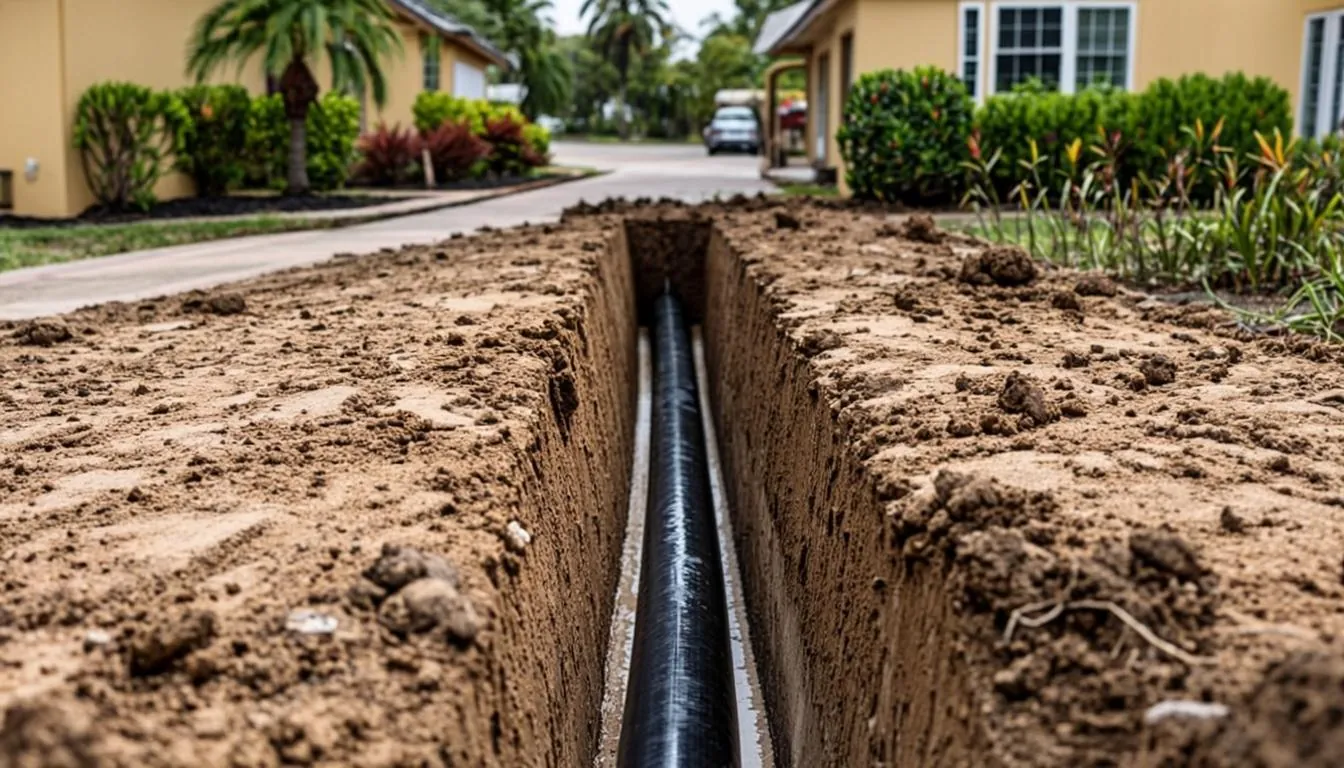
Most Fort Pierce homeowners meet the utility's underground policy only when a project forces the introduction: a service upgrade, a panel replacement that touches the meter equipment, a voltage change. By then it shapes the schedule and the price, so it is worth meeting earlier. This guide explains what FPUA's underground requirement covers and how it lands on a residential electrical project.
What Is FPUA's Underground Electrical Service Policy?
Fort Pierce Utilities Authority requires underground electric service for new and modified services, a policy the utility frames as part of its storm-hardening effort for the local grid. Overhead service drops, the lines most Florida neighborhoods grew up with, are what the policy moves away from: where a service is new or materially modified, the connection to the utility's system goes below grade.
Why FPUA Is Moving New and Modified Services Underground
The reasoning is storm performance. Overhead service connections are the grid's most storm-exposed component: wind, flying debris, and falling limbs all target the drop between pole and house. Underground service removes that exposure at the point where every outage begins for the individual home. FPUA's stated goal, hardening Fort Pierce's electric grid, translates at the household level into services that ride through weather their overhead predecessors would not.
What Counts as a New or Modified Electrical Service?
New Electrical Service
New construction, a fresh service for a new house or a new structure on an existing property, is the clear case: the service is installed underground from the start, and the site plan accounts for the trench, conduit, and connection point.
Existing Service Modification
Existing services enter the policy when the modification is material, changes that alter the service's capacity or configuration rather than repairing it in place. The boundary between "repair" and "modification" is exactly the kind of question the utility's engineering group answers for a specific project, which is why the contact happens early.
Panel and Meter Equipment Changes
Panel upgrades that include service-size changes, meter can replacements, and voltage changes are the common homeowner projects that touch this territory. A like-for-like panel replacement that leaves the service entrance untouched sits differently than a 100-to-200-amp upgrade; the project scope, documented in the permit application, is what determines the policy's reach.
What Homeowners Should Know Before an Electrical Service Upgrade
Three practical effects follow from the policy. First, the project's site work grows: underground service means a route from the utility connection to the service equipment, dug, conduited, and restored. Second, the schedule grows with it: utility coordination has its own clock, and the permit timeline and the utility's timeline run in parallel, not in sequence. Third, the budget reflects both: the electrical scope and the site scope are separate costs, planned together from the estimate rather than discovered mid-project.
When Should an Electrical Contractor Contact FPUA Engineering?
Early, and specifically before the electrical permit is filed for applicable work: FPUA's process for covered projects includes coordinating with the utility's engineering side before the permit submission, so the service design and the utility's requirements align before anything is built. The current contact step and its details live on FPUA's site and policy documents, and they get verified per project, because process details are exactly what utilities revise. Our crew runs that coordination as part of the project, not as the homeowner's homework.
How Underground Service Requirements May Affect a Project
For a typical panel upgrade in Fort Pierce, the practical summary: if the project touches the service entrance, expect the underground policy conversation; if it does not, the project proceeds under the city's electrical checklist alone. Either way the estimate should say which. Our panel upgrade service includes the FPUA verification at intake, and the coordination, where it applies, is scoped and scheduled in writing from day one.
The big picture is worth keeping: the policy asks homeowners to accept a little more site work in exchange for a service connection built for storm season. On the Treasure Coast, that trade has a way of paying for itself, one named storm at a time.
Planning a Service Upgrade in Fort Pierce?
We verify the FPUA requirements at intake and coordinate the utility side for you.